Last updated November 22, 2026
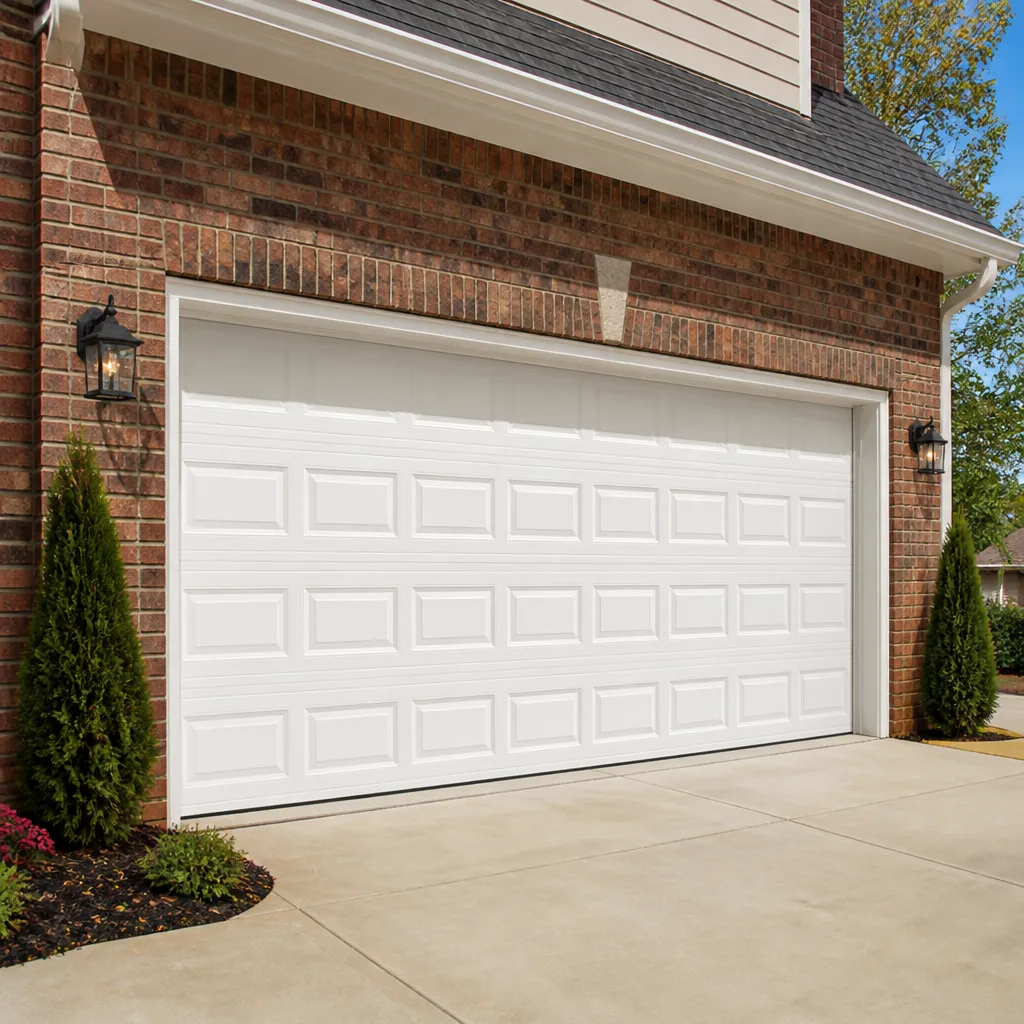 Raised-panel steel
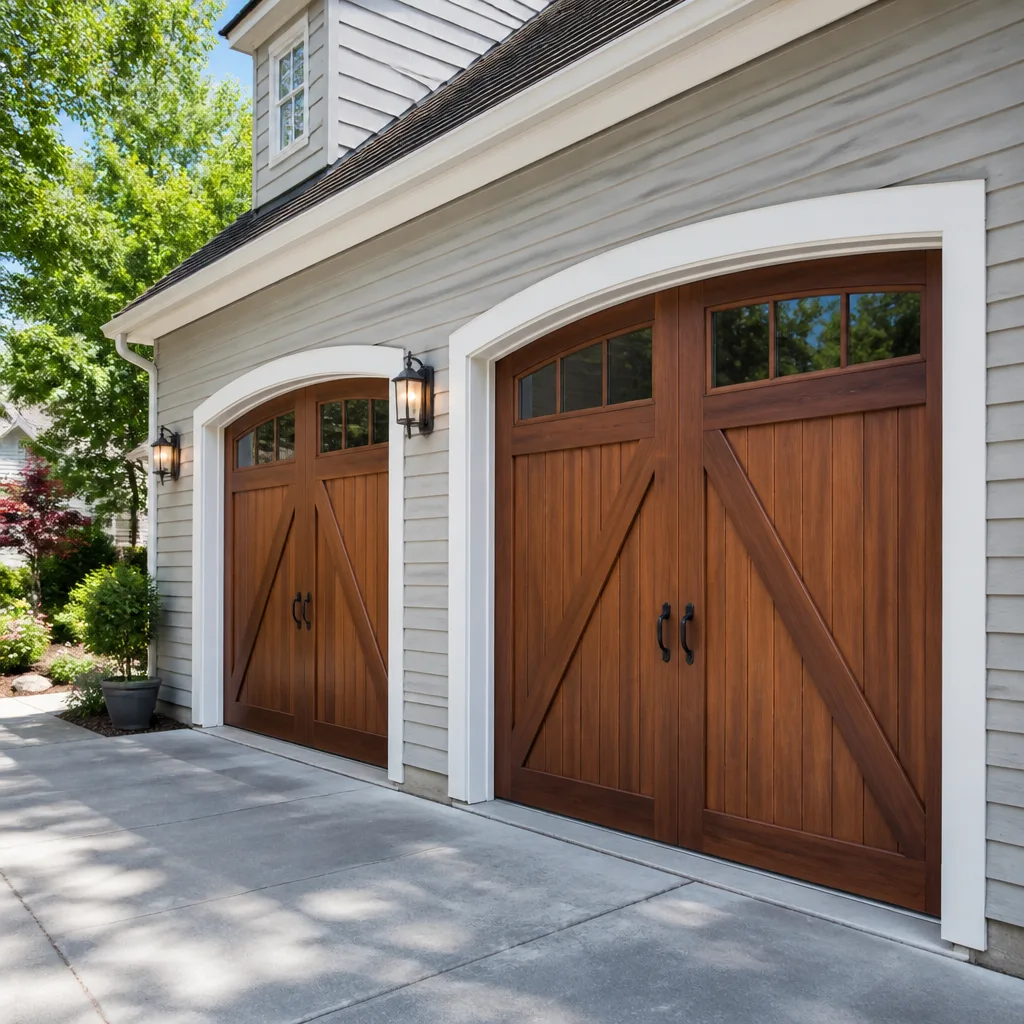 Carriage house
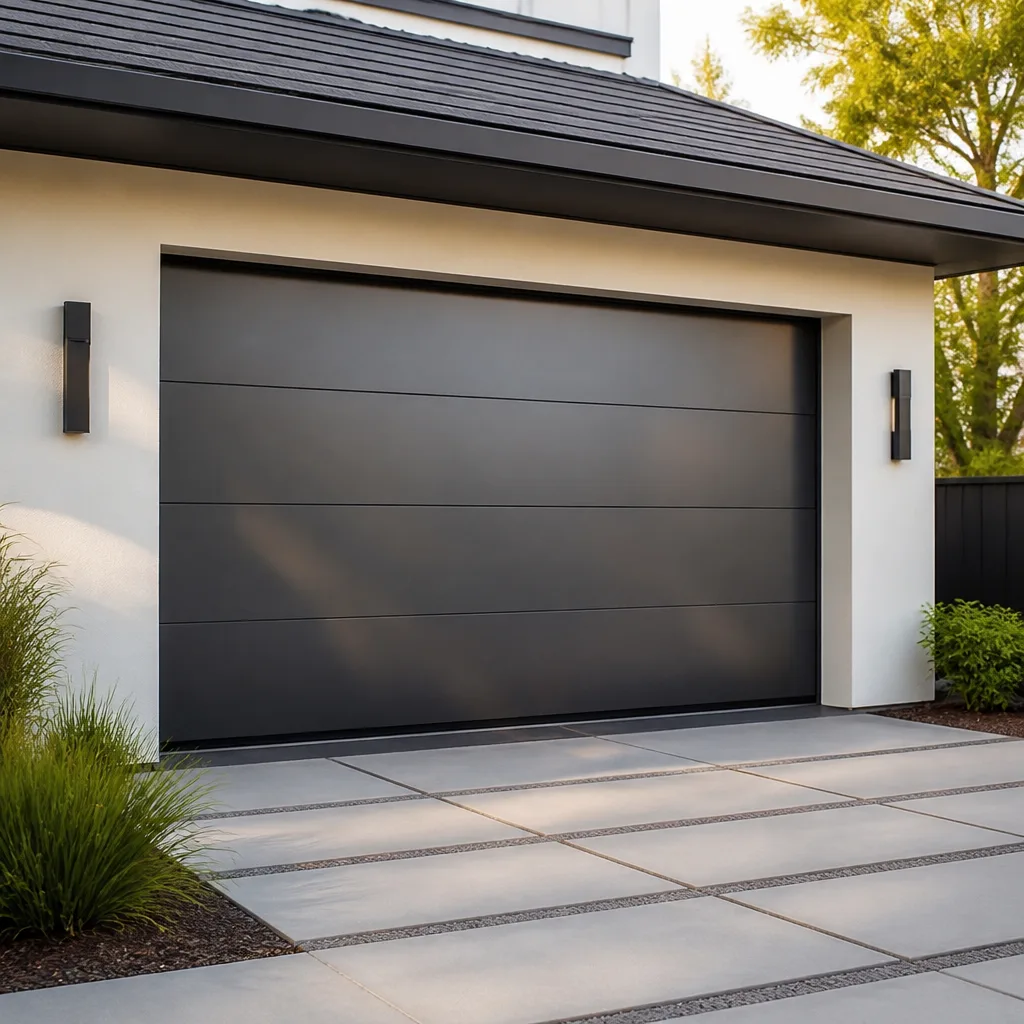 Modern flush
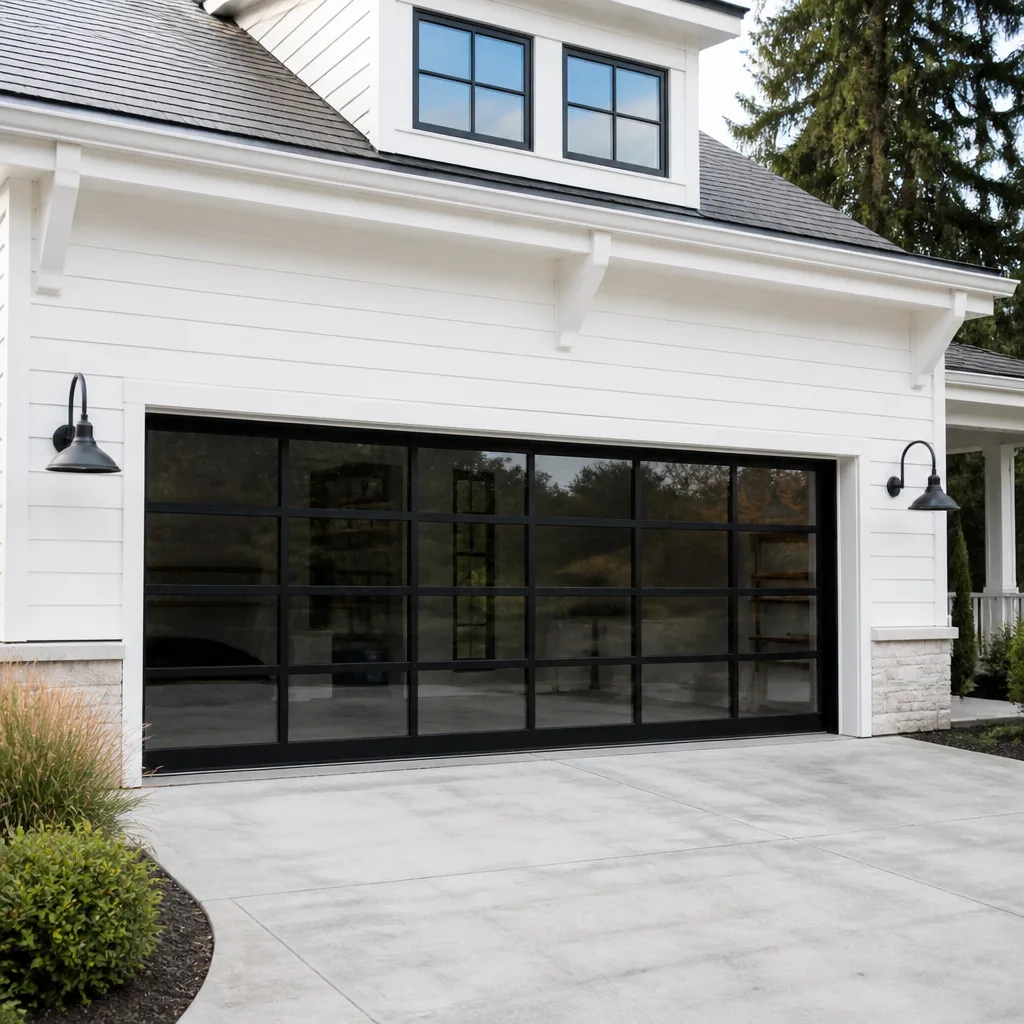 Full-view glass
 LiftMaster openers
 Chamberlain openers
Full 25-point door and opener safety check with every visit - springs, cables, rollers, tracks, and your LiftMaster or Chamberlain opener included
You get a price before we start. It does not change when the pro arrives.
Get your free estimateHow to Hire a Garage Door Contractor in Laurel: A Step-by-Step Guide
Most hiring guides hand you a list of questions and send you on your way. The problem is that collecting answers and understanding them are two different skills, and that gap is exactly where homeowners get talked into work they didn’t need at a price they didn’t expect. Any contractor can say “yes” when you ask if they’re licensed and insured. The question that actually separates a garage door specialist from a general handyman is one almost nobody thinks to ask: “What spring system is currently on my door, and what’s its cycle rating?” The answer tells you more in ten seconds than an hour of small talk. This guide teaches you how to read the answers, not just gather them, so you can hire with confidence in Laurel.
Quick Answer
To hire a garage door contractor in Laurel, verify their Maryland Home Improvement Commission license is active, ask diagnostic questions that only a true garage door specialist can answer well, insist on a written itemized quote with the agreed price locked in before any work starts, and put the job scope and warranty terms in writing. A licensed specialist will welcome those questions. A generalist or an upseller will dodge them. The sections below walk through each step in detail.
Styles & brands we work with
- Raised-panel steel
- Carriage house
- Modern flush
- Full-view glass
- LiftMaster openers
- Chamberlain openers
Table of Contents
- Why hiring a garage door contractor is different from hiring a handyman
- Step 1: Verify the Maryland Home Improvement Commission license
- Step 2: Ask diagnostic questions and read the answers
- Step 3: Understand the spring system and cycle rating question
- Step 4: How to decode a garage door quote
- Step 5: Spot upsells disguised as “code upgrades”
- Step 6: Write the scope so a warranty is enforceable
- Common mistakes to avoid
- When to call a professional
Why Hiring a Garage Door Contractor Is Different From Hiring a Handyman
A garage door is the largest moving object in most homes. It runs on torsion or extension springs under heavy tension, travels on tracks that have to be aligned within tight tolerances, and depends on an opener and safety sensors that must work together. That combination is why hiring for this work is not the same as hiring someone to patch drywall or swap a faucet.
A general handyman divides attention across plumbing, electrical, carpentry and a dozen other trades. A garage door specialist does one thing. When we send a technician, that person works on garage doors every day, which is why the diagnostic questions in this guide matter so much. The trade has its own vocabulary, its own failure patterns, and its own safety rules, and the right answer reveals whether someone actually lives in that world.
There’s a second reason to hire a specialist in Laurel specifically. Homes here span a wide range of ages, from mid-century neighborhoods to newer construction, and the doors on them vary just as widely. Some carry older openers that predate modern safety reversing features; others have newer garage door opener repair needs tied to smart-home integration. A specialist who works across LiftMaster, Chamberlain, Genie and Clopay systems every week can diagnose those differences quickly. A handyman meeting your door for the first time cannot.
When you’re comparing contractors, remember that full-spectrum capability matters. You want someone who can handle a jammed spring today and a complete new installation next year without you having to start the search over. That continuity is worth weighing as heavily as the price on the first quote.
Step 1: Verify the Maryland Home Improvement Commission License
Maryland requires home improvement contractors to hold a license through the Maryland Home Improvement Commission (MHIC). Verifying that license is the single most important step before you let anyone touch your door, and the lookup itself takes about two minutes.
- Go to the MHIC license search on the Maryland Department of Labor website.
- Search by the contractor’s business name or license number.
- Confirm the status reads active, not lapsed, suspended or expired.
- Check that the license type covers home improvement work, which garage door service falls under.
- Note the name on the license and confirm it matches the name on your quote.
Here’s where interpretation matters more than collection. An active license tells you the contractor is in good standing with the state and has met the requirements to operate. A lapsed or suspended license is a serious signal. It can mean the contractor fell behind on required obligations, and it can affect whether you have recourse if something goes wrong. Some homeowners stop at “yes, we’re licensed” without ever checking the database. Don’t be one of them. If the name on the quote doesn’t match the name on the license, ask why before you sign anything.
Insurance is the companion question. Ask for a certificate of insurance and confirm it’s current. A contractor who is licensed but uninsured leaves you exposed if a technician is hurt on your property or your door is damaged during the job. We can’t quote you a policy number, but any legitimate operation will produce a certificate without hesitation.
Step 2: Ask Diagnostic Questions and Read the Answers
This is the heart of the guide. Instead of a checklist of yes-or-no questions, ask open-ended diagnostic questions and listen for specificity. A specialist answers with detail because they diagnose these problems constantly. A generalist answers with generalities because they’re guessing.
Try these questions the next time you’re evaluating a contractor in Laurel:
- “What’s causing my door to bind on one side as it goes up?” A specialist will ask follow-up questions about track alignment, roller condition and whether the door is level, then explain the likely cause. A generalist will say something vague about needing to “take a look.”
- “Is my problem the spring, the opener or the balance of the door?” These are three different failures with three different fixes. A specialist can often narrow it down from a description of the symptom before arriving.
- “What opener brand do you work with most, and does mine need a specific part?” A specialist familiar with LiftMaster, Chamberlain, Genie and Clopay will tell you how your existing system behaves and what it needs.
- “How do you test the safety reverse before you leave?” This one reveals competence fast. A trained technician can describe the test clearly.
- “What spring system is on my door, and what’s its cycle rating?” This is the question almost nobody asks. See the next section for why it matters.
The pattern to watch for is whether the answers come with reasoning. A specialist explains why a part fails and what the fix involves. A handyman describes what they’d replace. When you hear reasoning, you’re talking to someone who will diagnose the actual problem rather than swap parts until the door moves again. That difference is the whole game.
Step 3: Understand the Spring System and Cycle Rating Question
Garage doors use either torsion springs, which mount above the door on a shaft, or extension springs, which run along the sides. The cycle rating is how many open-and-close cycles the spring is rated for before it’s expected to fail. Standard springs are rated for a lower cycle count than high-cycle springs, and the difference matters because a garage door used as a primary entry point cycles far more often than one used only for a car.
Why does this matter when hiring? Because a contractor who can tell you what spring system is on your door and what its cycle rating is has actually looked at your equipment and understands it. A contractor who can’t answer has either not looked or doesn’t know. When a repair comes up, this question also protects you from a quiet downgrade: a quote that replaces a high-cycle spring with a standard one looks cheaper but wears out faster on a door you use every day.
Ask directly whether the replacement spring matches or exceeds the cycle rating of what’s coming off. If the answer is “it’s a spring, they’re all the same,” keep looking. They’re not the same, and a specialist knows it. Our technicians have up to 10 years of experience with these systems, and this is exactly the kind of detail that separates a proper diagnosis from a parts swap. For a deeper look at how this repair works, see our page on garage door spring repair.
One safety note here, because it’s the most important paragraph on this page. Torsion springs and the cables that run with them are under extreme tension, and a spring or cable that lets go can cause serious injury. This is not a component to work on yourself, no matter how straightforward a video makes it appear. Always have spring work done by a trained professional. A reputable contractor will say the same thing without being asked.
Step 4: How to Decode a Garage Door Quote
A good quote is itemized. A bundled quote hides markup. This is the rule that most reliably protects your wallet, and you can apply it the moment a written estimate lands in your inbox.
Here’s what should appear as separate line items on a proper quote:
- Spring replacement, with the spring type and cycle rating noted, and priced per spring (a matched pair is usually replaced together, so a pair costs roughly twice a single spring)
- Labor, stated separately from parts
- Any additional parts: rollers, hinges, cables, drums, bearings
- Opener unit and installation, if the opener is being replaced
- Track and hardware work, itemized
- Disposal of the old parts, if there’s a charge
A bundled quote that lists “garage door repair: $X” with no breakdown tells you little. It can hide an inflated price on a cheap part, or a charge for work that isn’t needed. When you ask for the breakdown, a straightforward contractor provides it without fuss. If someone resists itemizing, treat that as information about how the rest of the job will go.
Also confirm the quote is written, not verbal, and that it states the price is agreed before any work starts. The written quote is the number you pay. That’s the standard we hold ourselves to, and it’s the standard you should expect from anyone you hire in Laurel. Prices are estimates based on what the technician assesses, and the written estimate sets the final price before a wrench is turned.
See the difference
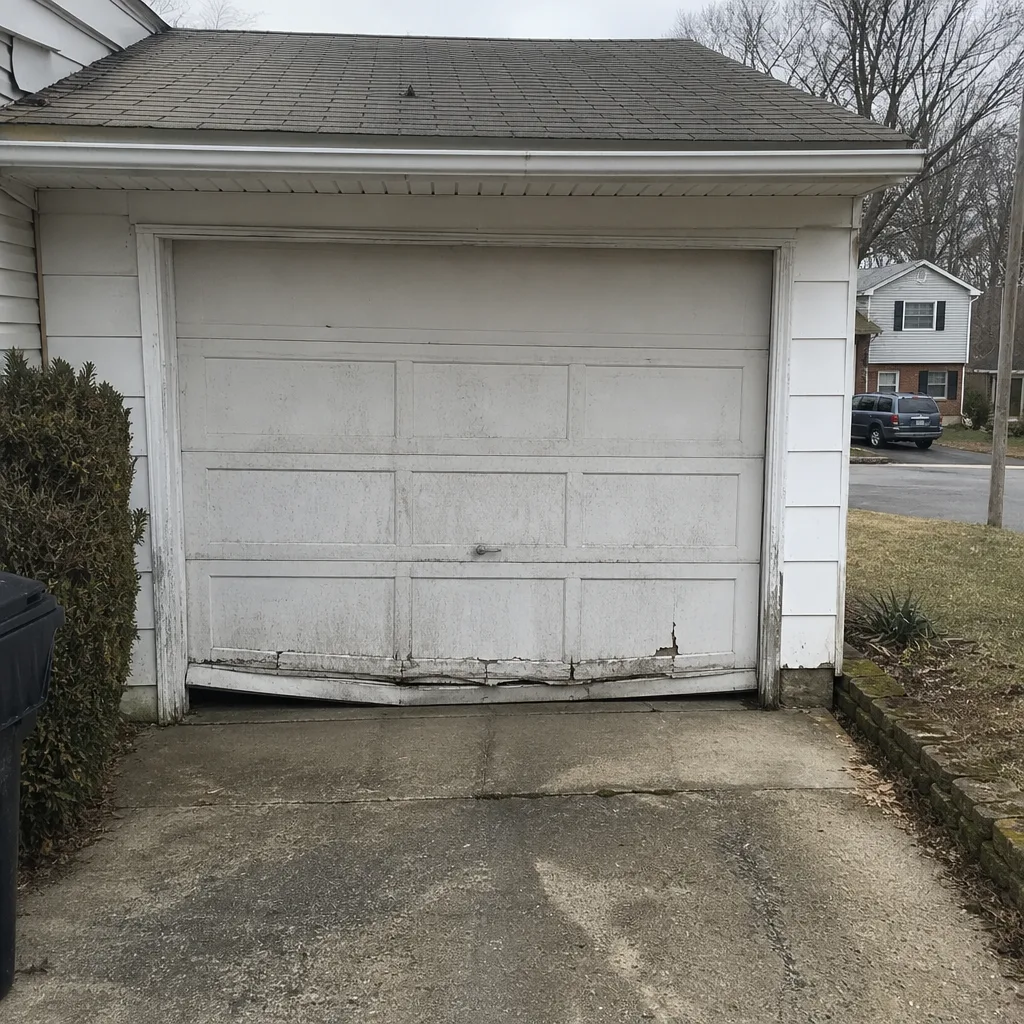 Before
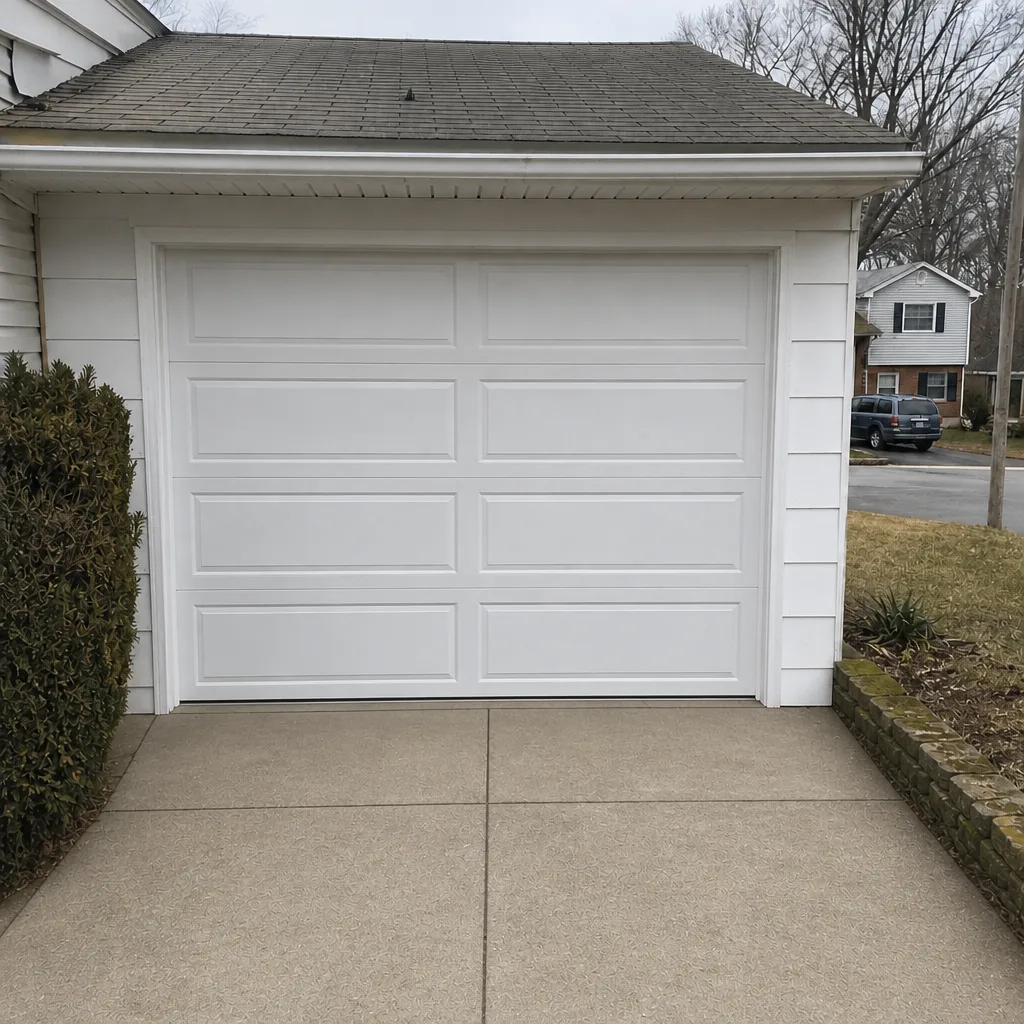 After
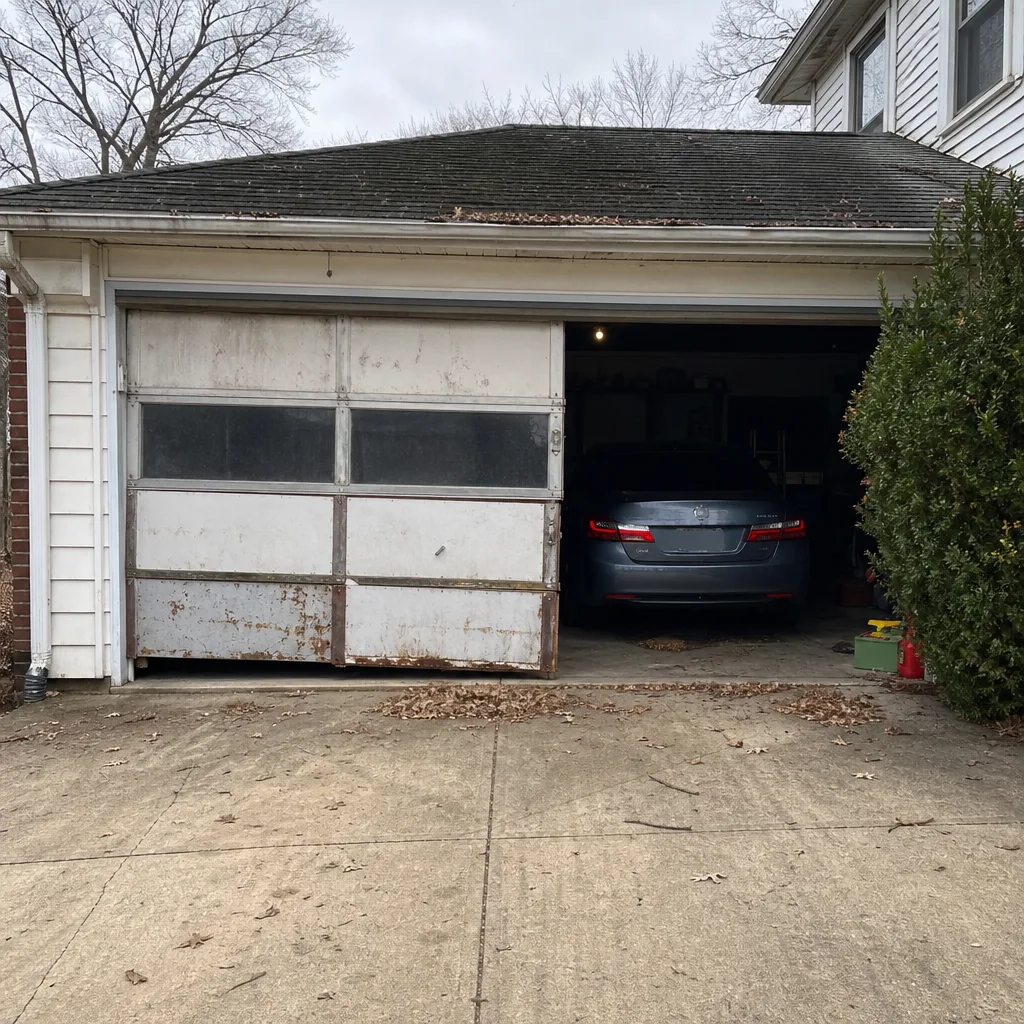 Before
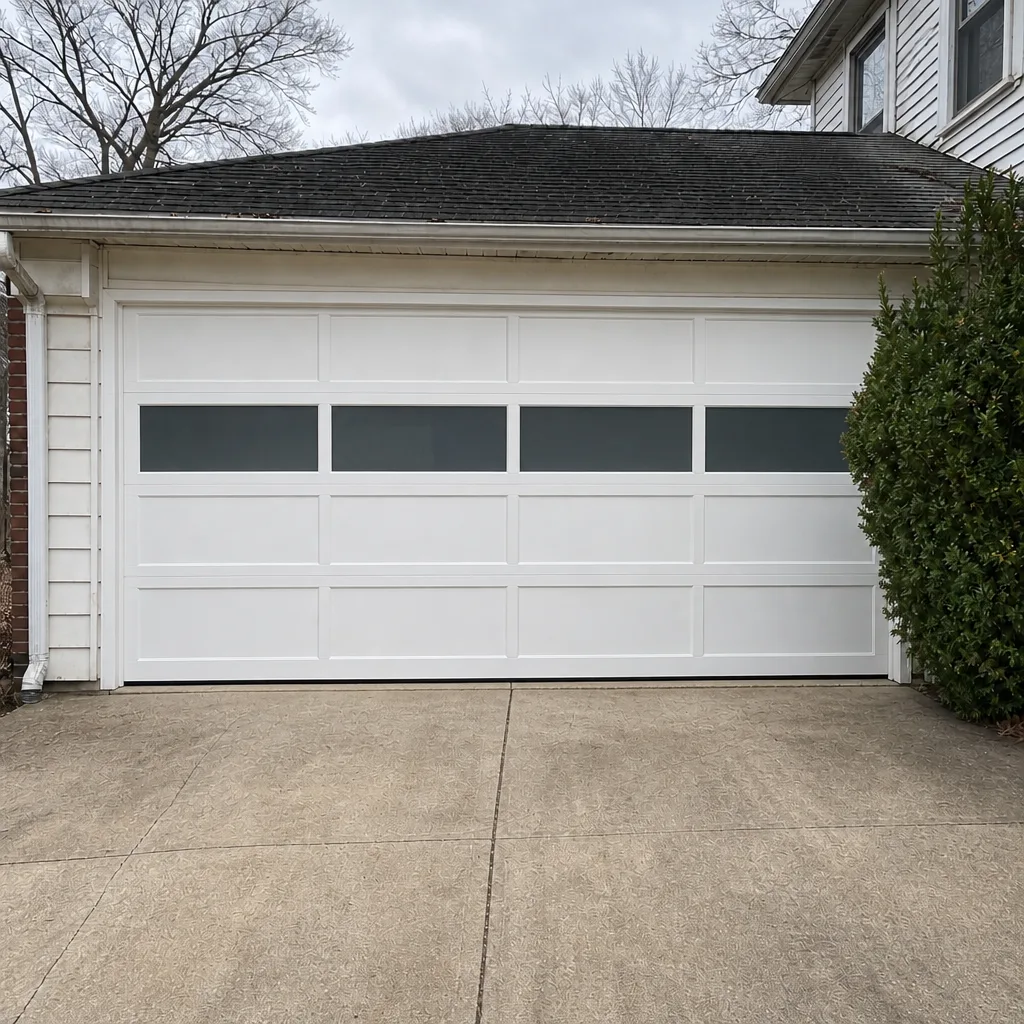 After
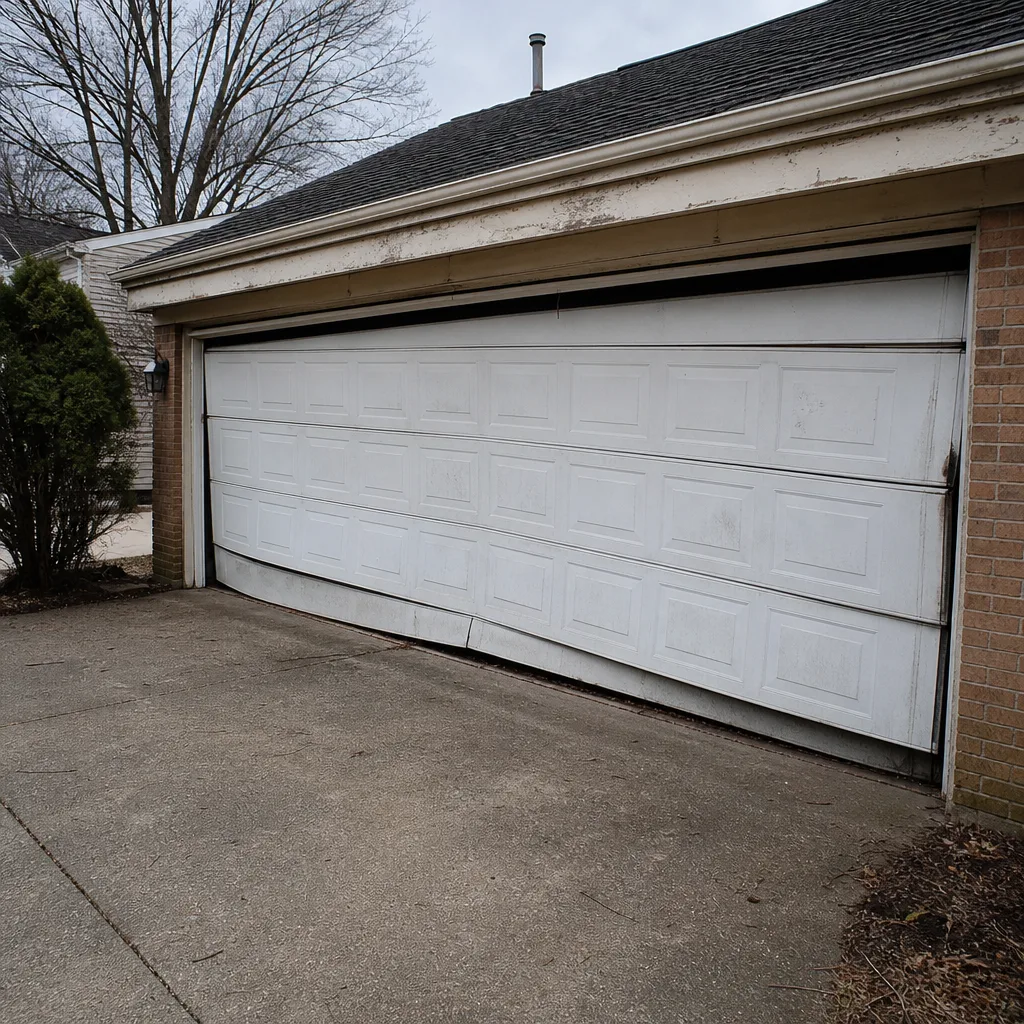 Before
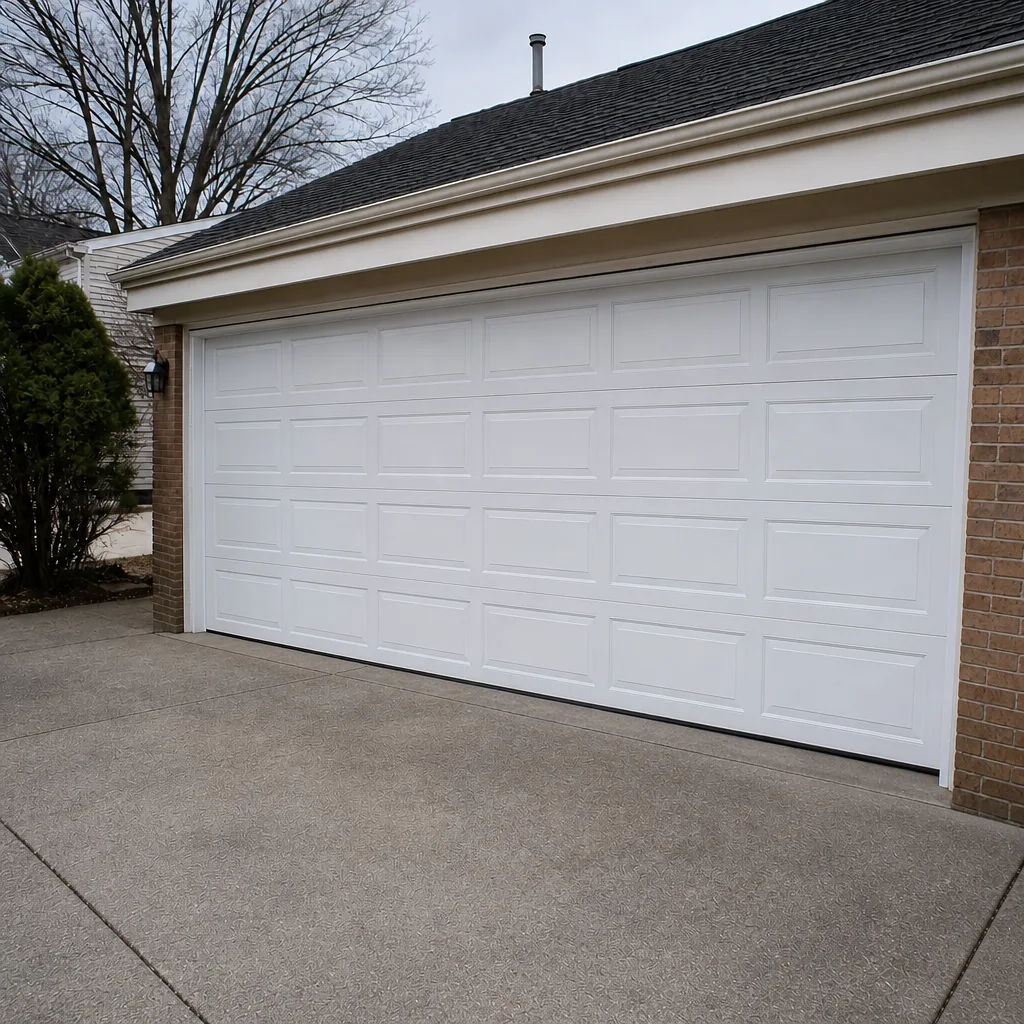 After
Step 5: Spot Upsells Disguised as “Code Upgrades”
This is one of the more common tactics in the Laurel and Prince George’s County market. A contractor points at a component on your door and says it has to be upgraded to “meet current code,” bundling genuinely useful work with unnecessary work so the total rises. Sometimes a code requirement is real. Sometimes it’s invented to justify a sale.
How do you tell the difference? Ask for specifics and verify them independently.
- Ask exactly which code or standard the contractor is citing, and what it requires.
- Ask whether the upgrade is legally required or simply recommended for performance or safety.
- If it’s described as required, check with the City of Laurel’s building department or the appropriate county office before agreeing.
- Separate the required work from the recommended work on the quote so you can see each cost on its own.
- Decide on the recommended work with the price in front of you, not under pressure.
A specialist explains the difference plainly. Safety reversing features on openers, for example, are a genuine safety matter and worth understanding. But “code upgrade” language can also be applied to items that have nothing to do with code. If a contractor won’t separate the two, get a second opinion. This is easy to test: ask whether the upgrade is required by law or recommended, and watch whether the answer is clear or slippery.
Step 6: Write the Scope So a Warranty Is Enforceable
A warranty is only as good as the writing behind it. If the repair fails within 90 days and the scope was never written down, you have little more than a verbal promise to argue with. The way to protect yourself is to put the job in writing before work starts, with these elements included:
- Exactly what will be worked on, listed by component and location on the door
- The specific parts to be installed, including brand and model where relevant, and the cycle rating for any spring
- The agreed price, stated as final for the scope described
- The warranty period, whether it covers parts, labor or both, and what voids it
- The date the work will be done and who is doing it
- What happens if the same failure recurs within the warranty period
Then read it back before you sign. If a repair fails within 90 days, the warranty claim hinges on being able to show what was promised. “We fixed the spring” isn’t enough. “We installed a high-cycle torsion spring, rated to match the door’s cycle count, with parts and labor covered for the warranty period” is. Insist on the latter. It protects you and it holds the contractor to the standard they set for themselves.
This also gives you leverage on the warranty claim itself. When the scope is written clearly, a legit contractor honors it without argument. When it’s vague, you end up relitigating what “repair” meant. Write it down first.
Common Mistakes to Avoid
- Taking “licensed and insured” at face value. Verify the Maryland Home Improvement Commission license yourself and confirm it’s active. Anyone can say the words; the database is what confirms it.
- Accepting a bundled quote with no line items. A single “garage door repair” line hides markup and doesn’t commit anyone to specifics. Ask for parts and labor broken out separately.
- Skipping the cycle rating question. If a quote replaces a high-cycle spring with a standard one to save money, it wears out faster on a door you use daily. Ask what’s going in and why.
- Buying “code upgrades” without a reference. In the Laurel and Prince George’s County area, ask for the specific code cited and check with the city before you agree. Recommended work and required work are not the same thing.
- Working with a generalist to save on the first visit. A handyman may cost less upfront and cost more when the diagnosis misses and a second repair comes. Garage doors are a trade of their own.
- Accepting a verbal warranty. If the scope isn’t written, a 90-day warranty means little. Get the parts, the labor, the price and the warranty in writing before work starts.
- Attempting spring work yourself. Springs and cables are under heavy tension and can cause serious injury. This is work for a trained professional, full stop.
When to Call a Professional
Some problems are safe to investigate; some aren’t. If your door won’t open or close, reverses for no clear reason, sits crooked at one side, or makes a loud bang from the spring area, stop operating it and call a specialist. A door that hesitates or sounds strained before it fails is usually telling you something, and catching it early is often less expensive than waiting. The same goes for a garage door repair that’s really a symptom of a bigger alignment or balance problem.
If a door is stuck open or a broken spring is trapping a car, that’s a case for dedicated emergency service rather than a scheduled appointment. And if your opener is old enough that replacement parts are getting hard to find, ask about garage door opener repair options before it fails with a car inside. Laurel Garage Door Repair Pros offers free estimates in Laurel, and our technicians have up to 10 years of experience to apply to your specific system. Call (855) 337-2016.
Frequently Asked Questions
You look up the contractor on the Maryland Home Improvement Commission license search on the Maryland Department of Labor website, and you confirm the status reads active rather than lapsed or suspended. Match the name on the license to the name on your quote. If they don’t match, ask why before you sign. This takes about two minutes and is the single most protective step you can take.
Your door uses either torsion springs, mounted on a shaft above the door, or extension springs, mounted along the sides. The cycle rating tells you how many open-and-close cycles the spring is expected to last, and it matters because a door used as a primary entry point cycles far more often than one used just for a car. Ask any contractor what system is on your door and what its cycle rating is. If they can’t answer, call (855) 337-2016 for a free estimate from a specialist.
Yes, always. A proper quote separates parts from labor and lists springs, rollers, hinges, cables, opener units and disposal individually. A bundled quote that says only “repair: $X” hides markup on cheap parts and leaves you no way to see what you’re paying for. If a contractor won’t itemize, treat that as a warning sign and get another quote.
No, and that’s the trap. Some cited requirements are real; others are invented to justify a sale. Ask exactly which code the contractor is citing and whether the work is legally required or recommended for performance. Then check with the City of Laurel’s building department before you agree. Separating required work from recommended work on the quote keeps the decision in your hands.
Yes, emergency garage door service is a standing part of what we offer for urgent situations, whether the door is stuck open or a broken spring has trapped a car. Call (855) 337-2016 and we’ll help you sort out the next step. When your garage door won’t move, we move fast.
The right specialist should work on the brand already on your home rather than pushing unfamiliar equipment. We work across LiftMaster, Chamberlain, Genie, Clopay, Amarr, Wayne Dalton, Craftsman and Raynor systems, so whatever is on your door, we can service it and explain what it needs. Call (855) 337-2016 for a free estimate.
The Bottom Line
Hiring a garage door contractor in Laurel is less about the questions you ask and more about what the answers reveal. Verify the MHIC license is active. Ask diagnostic questions and listen for reasoning rather than generalities. Ask about the spring system and cycle rating, because the contractor who can answer is the one who knows the equipment. Demand an itemized quote with the price agreed before work starts, and put the scope and warranty in writing so a 90-day claim is enforceable. Avoid “code upgrade” upsells you can’t trace. The contractor who welcomes all of this is the one worth hiring.
Whether you’re facing an urgent breakdown or planning a scheduled replacement, we work on the brand you already have and give you a written price before anything starts. From a jammed spring to a full new installation, we handle the right fix for your specific system. Call Laurel Garage Door Repair Pros at (855) 337-2016 for a free estimate in Laurel.
Written by the team at Laurel Garage Door Repair Pros.