Last updated November 22, 2026
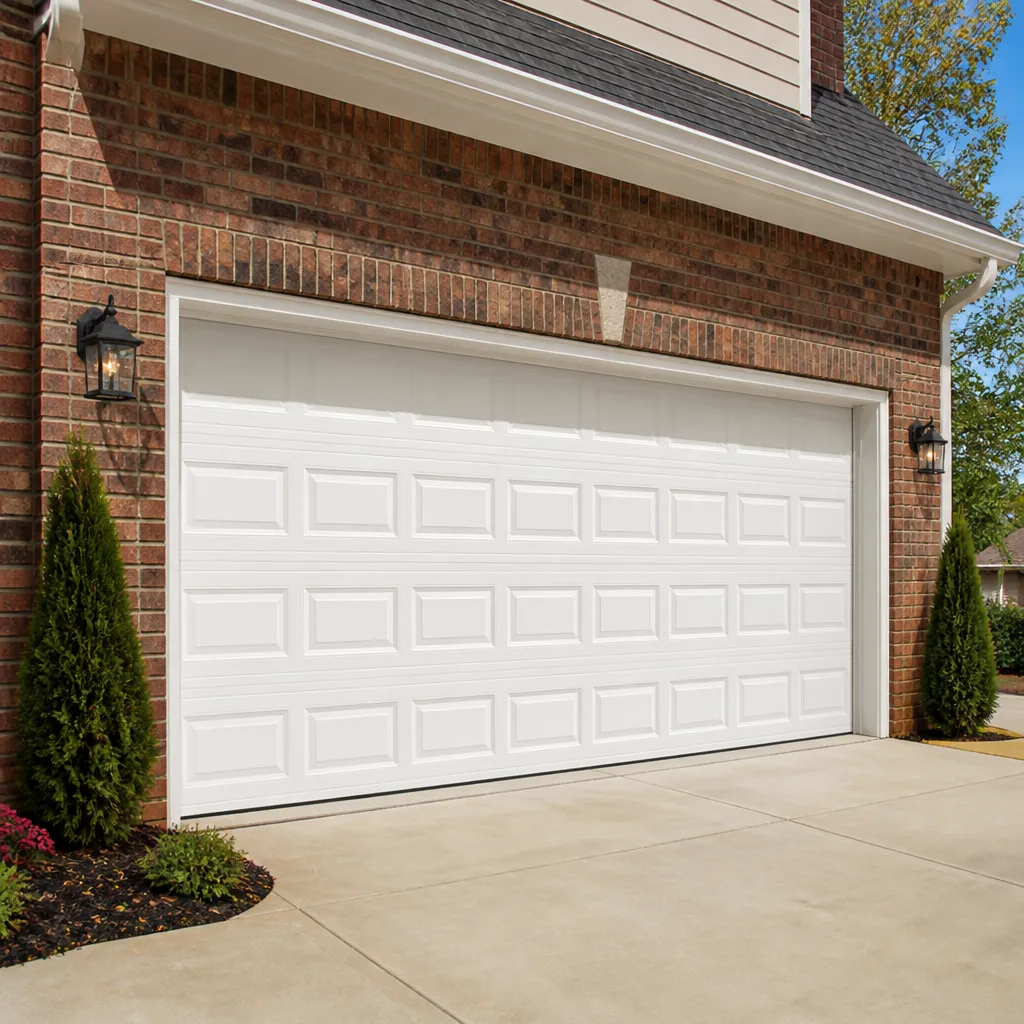 Raised-panel steel
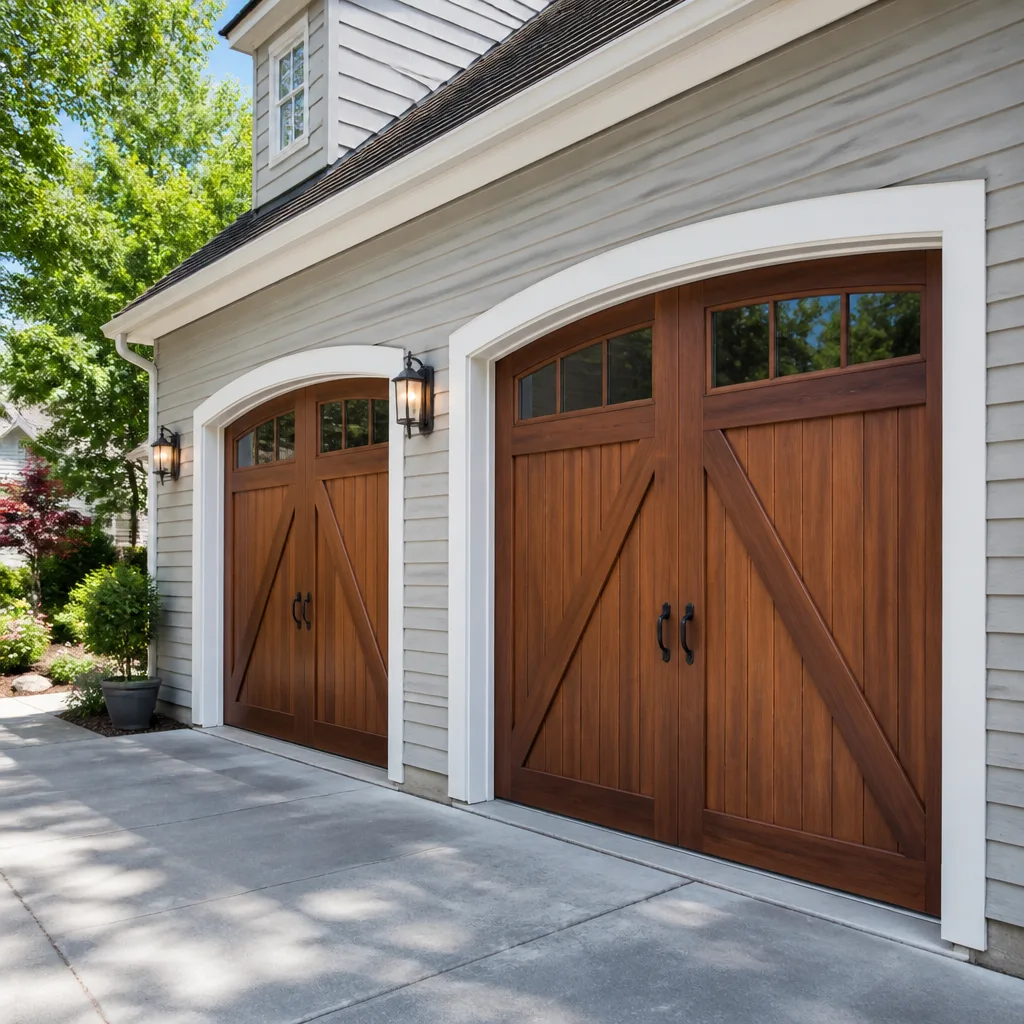 Carriage house
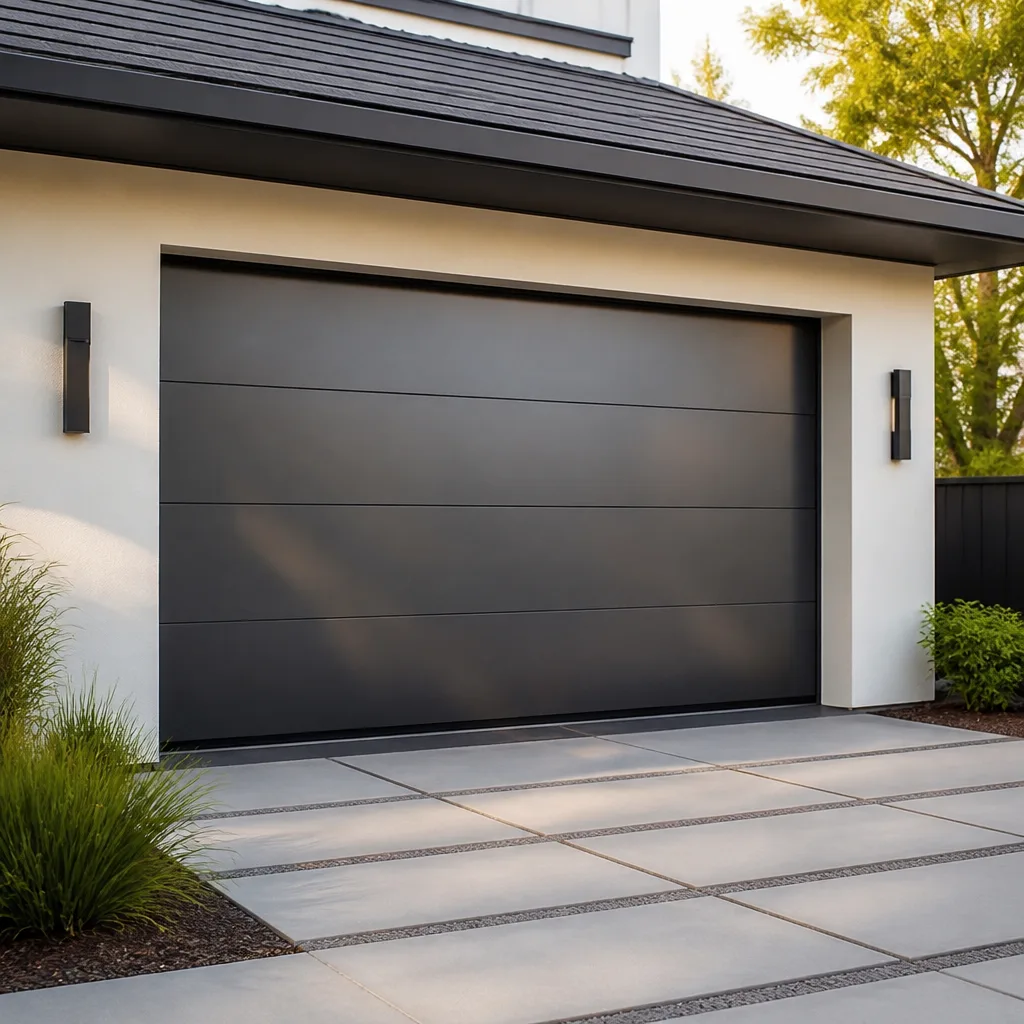 Modern flush
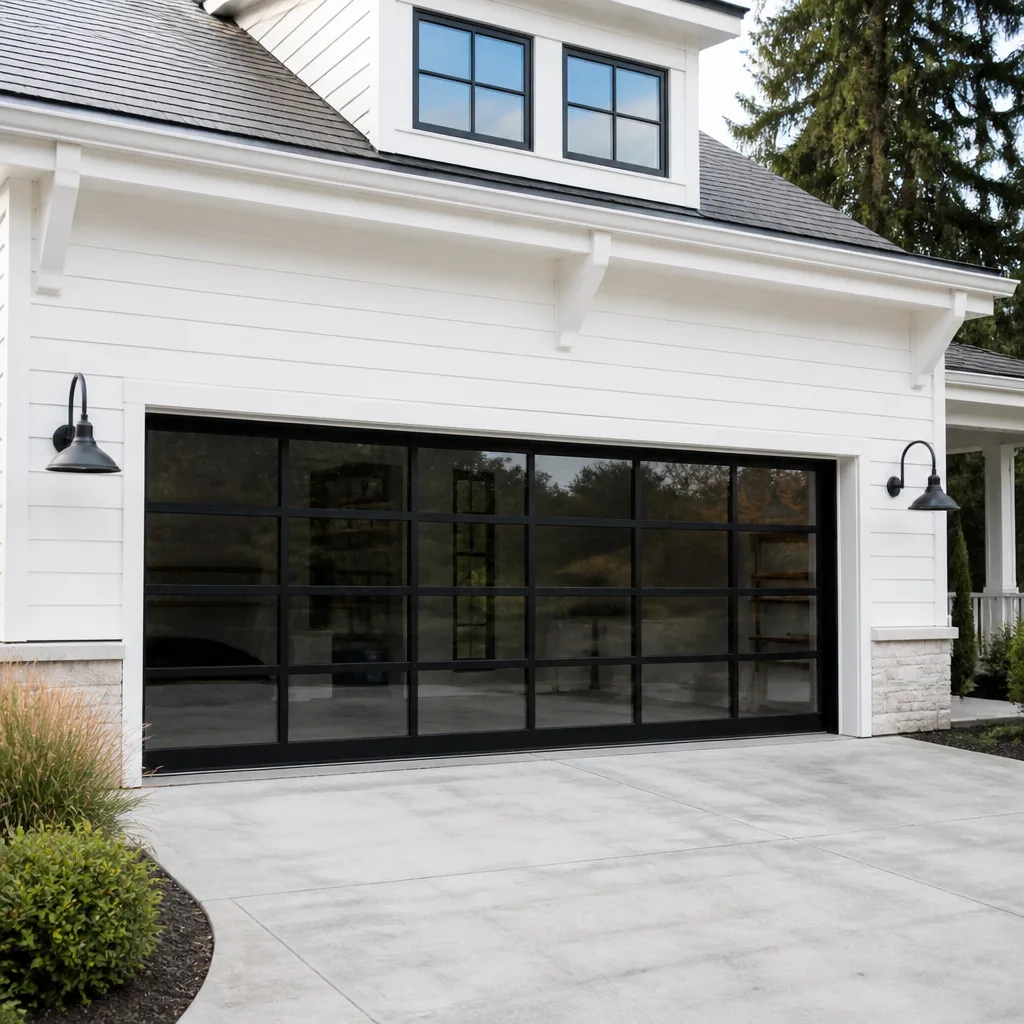 Full-view glass
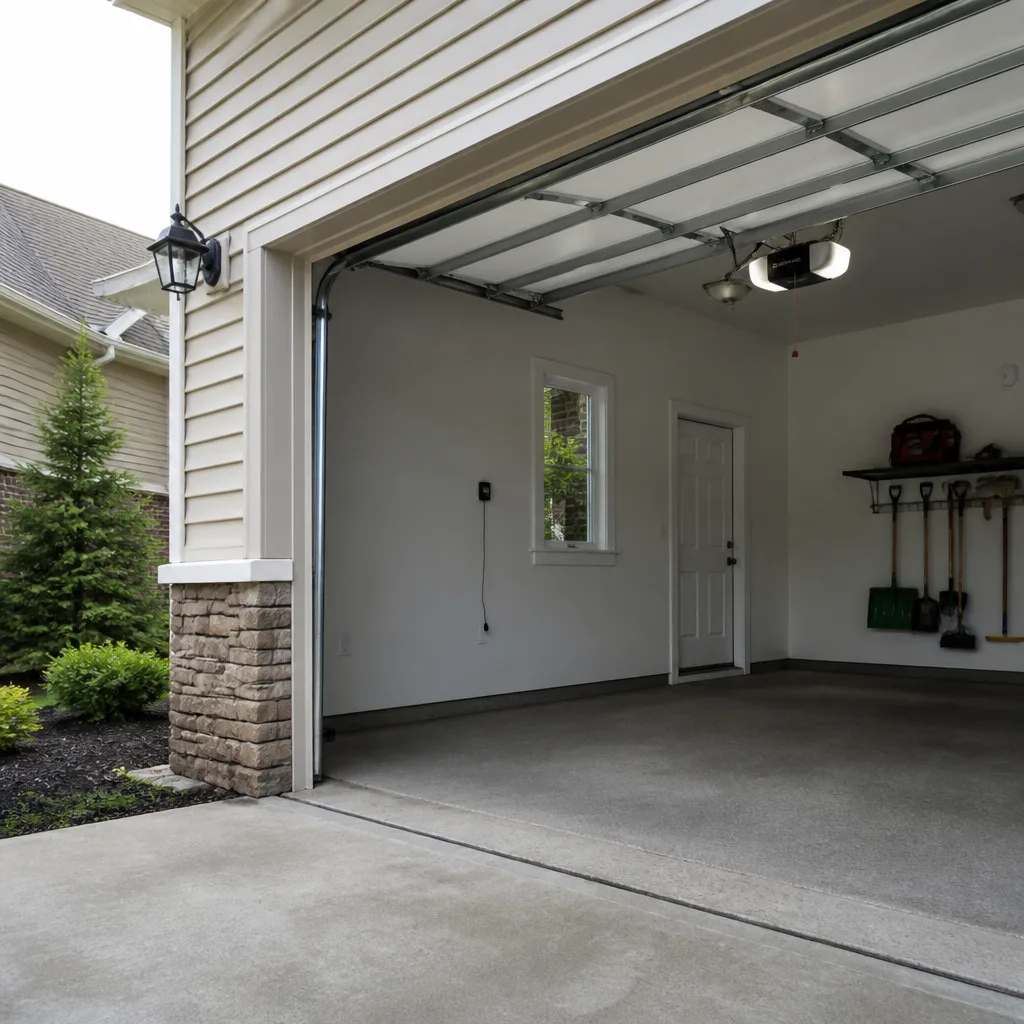 LiftMaster openers
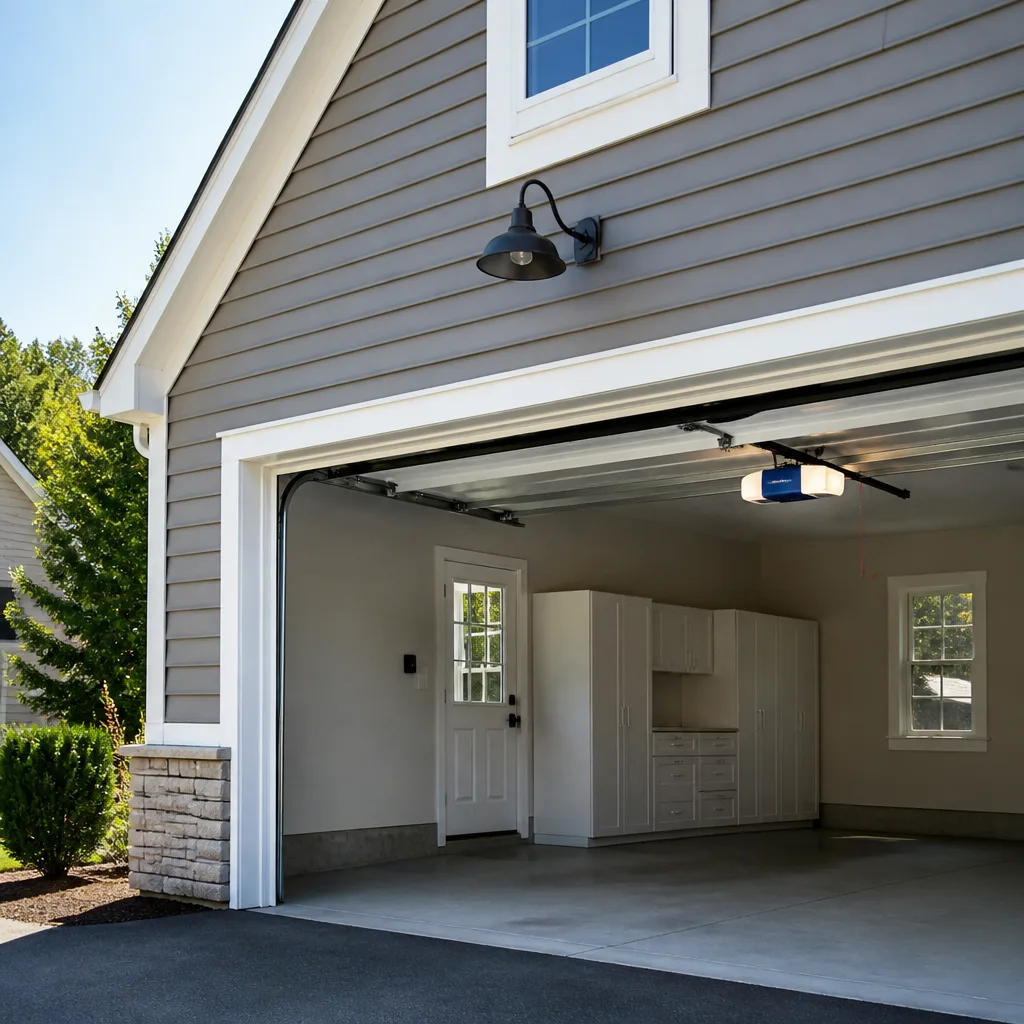 Chamberlain openers
Full 25-point door and opener safety check with every visit - springs, cables, rollers, tracks, and your LiftMaster or Chamberlain opener included
You get a price before we start. It does not change when the pro arrives.
Get your free estimateSeasonal Garage Door Care for Laurel: Year-Round Homeowner’s Guide
The most expensive garage door repairs in the Mid-Atlantic tend to happen in February. Not because homeowners skip maintenance, but because they do it in October, when the weather is pleasant and the job is comfortable. By the time the calendar turns, a season’s worth of freeze-thaw cycling has already done its quiet work on springs, seals, and thresholds, and the inspection that would have caught it is four months in the rearview. Laurel sits right in this climate band, where humid summers, hard winter temperature swings, and heavy spring pollen each stress a different part of the same machine. This guide sequences the work to match what Laurel weather actually does to a garage door, month by month, so the money you spend on care lands where it counts.
Quick Answer
Seasonal garage door care in Laurel works best as a month-by-month sequence rather than a generic spring/fall checklist. The highest-risk window for spring failure is late January through early March, so the most valuable inspection happens in late winter, not October. Summer humidity, fall leaf debris around the bottom seal, and winter freeze-thaw at the threshold each need their own targeted task at their own time of year.
Styles & brands we work with
- Raised-panel steel
- Carriage house
- Modern flush
- Full-view glass
- LiftMaster openers
- Chamberlain openers
Table of Contents
- Why Timing Matters More Than Effort
- Late Winter: The Highest-Risk Window for Springs
- Spring: Pollen, Grit, and the Tracks
- Summer: Humidity and Wood Door Panels
- Fall: Leaf Debris and Sensor Misalignment
- Early Winter: Sealing the Bottom Without Over-Lubricating
- The Laurel Month-by-Month Task Calendar
- Common Mistakes to Avoid
Why Timing Matters More Than Effort
A garage door is a balance of stored energy and moving parts, and the two halves of that system respond to weather on different timelines. The springs hold tension year-round. The moving parts – rollers, hinges, the opener rail – collect whatever the air and ground deliver. When you service the moving parts in mild weather and ignore the springs until something breaks, you’ve optimized the easy half and left the dangerous half alone.
That’s the core misconception this guide corrects. A lot of standard maintenance advice is written for a generic climate and split into four tidy seasons. Laurel doesn’t fail in four tidy seasons. The area’s temperature swings put real stress on torsion and extension springs through the coldest stretch of the year, its humid summers work on wood and composite panels for weeks at a time, and its dense tree canopy drops debris onto driveways and door bottoms well into late fall. Each of those is a different failure mode with a different best month to catch it.
Here’s the practical difference:
- Springs want attention in late January through early March, before the seasonal load peaks.
- Tracks and rollers want attention in spring, when pollen and grit arrive together.
- Panels, paint, and weather seal compression want attention in late summer, after humidity has had its run.
- Bottom seals and photo-eye sensors want attention in fall, when leaf litter piles up against the door.
- Threshold and seal lubrication want attention in early winter, ahead of the first hard freeze.
Do the right task in the right month and you spend less for a door that stays reliable. Do everything in October and you get the comfortable jobs done on schedule and the risky ones on a delay.
Late Winter: The Highest-Risk Window for Springs
Late January through early March is when torsion and extension springs in Laurel fail most often, and it’s the window most homeowners skip. The reason is simple physics: springs are cycled by every open and close, and cold weather makes the steel less forgiving of that cycling. Add the freeze-thaw pattern the area gets most winters, where daytime temperatures rise above freezing and overnight lows drop back below it, and the spring, the cables, and the drums all see repeated small movements they don’t see in stable weather. A spring that was marginal in November is at its most vulnerable in February.
What a targeted pre-spring inspection should cover:
- Visual spring check. A trained technician looks for gaps in the coil, a stretched section, or a torsion spring that has lost its wind. This is a look-only step; springs are under extreme tension and should never be touched, adjusted, or wound by a homeowner.
- Cable inspection. Cables fray and stretch with the same cycling that loads the springs. A cable that shows broken strands or slack is replaced before it fails.
- Drum and bearing plate check. Torsion systems carry load through the drums at each end. Worn drums or a dry bearing plate add friction that the spring has to fight.
- Balance test. The technician disconnects the opener and raises the door halfway. A balanced door holds its position. One that drifts down has a spring problem or a tension problem.
- Weather seal at the threshold. If the bottom seal is crushed or torn from winter, cold air and moisture get under the door and accelerate wear on the lower hinges.
One safety point worth stating plainly: garage door springs store enough energy to cause serious injury, and a snapped torsion spring can release that energy instantly. If a spring breaks in your Laurel home, don’t try to open the door manually and don’t attempt a repair. Call for garage door spring repair and let a specialist handle the tension safely.
Spring: Pollen, Grit, and the Tracks
Spring in Laurel brings two things to a garage door: a heavy pollen load in the air and grit on the ground. Both end up in the same places – the tracks, the rollers, and the hinge points. Pollen is fine and slightly sticky. Once it settles into the grease on a roller or the channel of a track, it collects dust and grit, and that mixture becomes an abrasive paste. Left alone for a season, it scores the rail and wears the rollers faster than normal use would.
What spring service should address:
- Clean the tracks. A dry cloth or soft brush along the inside channel removes pollen and grit before it gets pressed in.
- Inspect rollers. Nylon rollers develop flat spots; steel rollers wear at the bearing. Either type can be replaced individually.
- Check hinge screws. The vibration of daily use loosens hinge screws over time, and the pollen season is a good time to torque them back to spec.
- Look at the opener’s safety reversal. A door that doesn’t reverse when it meets an obstruction is a safety problem, not a convenience one.
- Test the photo-eye sensors. Both sensors should be aligned and both indicator lights should be steady. A sensor knocked out of alignment by yard work is a common spring call.
If your opener is a LiftMaster or Chamberlain unit, the safety reversal and photo-eye checks are worth doing together, since both systems share the same control board logic on most of those models. If your door won’t respond to the remote or the wall button at all, that’s a control or logic problem and belongs with garage door opener repair rather than a mechanical tune-up.
Spring is also a good time for a full inspection of the door’s overall condition if you’ve owned the home for a few years and haven’t had one. A specialist who sees the door in person can flag worn parts before they become failures.
Summer: Humidity and Wood Door Panels
Summer is when wood and wood-composite garage doors in Laurel do their most quiet damage. The area’s summer humidity is high enough that wood panels absorb moisture from the air, swell slightly, and then dry out and shrink when the humidity drops. That cycle repeats through the season, and after several years it shows up as warped panels, cracked paint along the seams, and a bottom seal that no longer compresses evenly against the threshold.
Here’s the specific threshold to watch: once relative humidity sits above roughly 60 percent for extended stretches – which Laurel summers do regularly – wood-composite doors can absorb enough moisture to lose weather seal compression at the bottom corners. The seal is measured by compression, not by appearance. A door that looks fine from the driveway but lets a sliver of daylight under one corner has lost compression on that side.
What summer care involves:
- Check panel seams for paint cracks. Cracks let moisture into the wood, which accelerates swelling.
- Test the bottom seal by daylight. Close the door from inside and look for light under the threshold. Any visible light means the seal has lost compression on that section.
- Look for panel warping. Hold a straightedge against the face of the door. Any visible gap along a panel means the panel has moved.
- Check the finish on composite and steel doors. Steel doors don’t warp, but they do rust at seam edges if the factory finish has chipped. Clopay and Amarr steel doors, which are common in Laurel homes, are painted at the factory and hold up well if the finish is intact.
- Inspect the weatherstripping on the sides of the frame. The side seal is often ignored but does as much work as the bottom seal in blocking humid air.
If a wood or composite door has warped panels that won’t sit flush even after adjustment, that’s a structural issue rather than a maintenance one. A specialist can tell you whether the panels can be replaced or whether the door is a candidate for replacement.
Fall: Leaf Debris and Sensor Misalignment
Laurel’s tree canopy makes fall a busier season for garage door problems than it is in less wooded areas. Leaves and seed pods land on driveways and against the bottom of doors, and the wind-driven ones end up exactly where the photo-eye sensors sit. A single leaf over one sensor is enough for the opener to refuse to close the door, and homeowners often troubleshoot for twenty minutes before discovering the cause.
Fall maintenance sequence:
- Clear the sensor path. Sweep leaves and debris away from the bottom of the door and from in front of both photo eyes. Check that neither sensor has been knocked out of alignment by a leaf blower or a car bumper.
- Inspect the bottom seal for embedded debris. Small twigs and seeds can lodge under the seal and hold it away from the threshold. Remove anything stuck and check that the seal still compresses fully.
- Look at the track channels. Debris collects in the bottom of the vertical tracks in fall. A quick clear-out prevents the rollers from riding over grit.
- Check drain and driveway grading. Water pooling against the door bottom during fall rain accelerates seal wear. If the driveway slopes toward the door, that’s a long-term issue to address.
- Run the door through a full open and close cycle after the first big leaf drop. A door that hesitates or reverses partway through is an early warning worth checking before it becomes a repair call.
A sensor problem in fall is almost always a misalignment or a blockage rather than a failure of the opener itself. If the door still won’t close after the sensor path is clear and both lights are steady, that’s when a diagnostic call makes sense. For general garage door repair, catching the problem in fall is a lot cheaper than discovering it in the middle of a January freeze.
Early Winter: Sealing the Bottom Without Over-Lubricating
Early winter is when homeowners in Laurel prep the door for the freeze-thaw months, and the most common mistake is applying too much lubricant. A thick coat of grease on the opener rail or the tracks feels like good maintenance. It isn’t. Lubricant that sits exposed in cold weather picks up grit, and grit plus moving rollers equals scored rails and premature roller wear.
The right sequence for winter prep:
- Clean the rail before lubricating. Wipe down the opener rail and tracks with a dry cloth to remove grit and old lubricant. The rail should be clean before anything is applied.
- Apply a light, thin coat. A small amount of lubricant on the hinge points and the torsion spring (applied by a trained technician, never by a homeowner) is enough. The door should not look glossy afterward.
- Replace a worn bottom seal. The threshold seal takes the brunt of freeze-thaw. A seal that’s cracked, torn, or has lost its spring-back should be replaced before the first deep freeze. Once installed, check that the door compresses the seal with slight resistance as it closes.
- Check the threshold for ice channels. If meltwater pools on the threshold and refreezes overnight, the seal is doing extra work. Clearing snow and slush away from the threshold keeps the seal from freezing into the concrete.
- Run the door once a week through the deep freeze. Regular use keeps the moving parts from sitting in one position and developing cold-set flat spots. It also surfaces problems while they’re still small.
- Test the opener’s cold-weather operation. Openers with older batteries in remotes, or with belts that have stiffened in cold, can behave differently in winter. A quick test after the first hard freeze catches those early.
One more winter note specific to Laurel: freeze-thaw cycles repeatedly lift and settle the driveway slab at the door threshold. That movement can knock the door’s bottom seal out of alignment with the threshold over the course of a season. If you notice a draft at the bottom of the door that wasn’t there in November, the cause may be under the door rather than at the door. For complete replacement if a door has reached the end of its serviceable life, our team handles Laurel Garage Door Repair Pros installation work alongside repair.
The Laurel Month-by-Month Task Calendar
Here’s a full year of tasks sequenced for Laurel’s actual climate, not a generic seasonal split. Temperatures and humidity vary year to year, so treat these as windows rather than fixed dates.
- January: Test the opener’s reverse feature and the photo-eye sensors. Clear any snow or ice from the door’s path. Watch for a door that feels heavier than usual or hesitates when opening – a sign to call for a spring inspection.
- February: The pre-spring spring inspection. Have a specialist check the torsion or extension springs, cables, drums, and bearing plate. This is the month when a failing spring can be caught before it breaks.
- March: Follow-up on anything flagged in February. Re-test the door balance. Check the threshold seal for winter damage.
- April: Clean the tracks of pollen and grit. Inspect rollers for flat spots. Torque hinge screws.
- May: Check the side weatherstripping and bottom seal for wear from winter. Lubrication touch-up on hinges only.
- June: Look for panel warp or paint cracks on wood and composite doors. Hold a straightedge against the door face to check.
- July: Test the bottom seal’s compression by daylight. Check for any light coming under the door when closed.
- August: Address any panel issues while there’s still warm, dry weather for paint touch-up and seal replacement.
- September: Clear the sensor path and inspect the tracks for early leaf debris. Run a full open and close cycle after the first leaf drop.
- October: Full inspection of the bottom seal, threshold, and photo-eye sensors. Clean the tracks and lube sparingly.
- November: Winter prep. Clean the rail, apply a light lubricant, and replace a worn seal if needed. Test the opener’s cold-weather operation.
- December: Weekly door cycles through the cold months. Watch for the door getting heavier, hesitating, or behaving differently from how it did in fall.
Notice that February – not October – is the month the springs get their check. That’s the whole point of this calendar. The October work is real and worth doing, but it’s the wrong month for the highest-risk inspection.
Common Mistakes to Avoid
- Doing all the maintenance in October. It’s comfortable outdoor weather and the tasks feel like they’re getting done, but the spring check that matters most is the one that happens in late winter, after the cold has done its work on the steel.
- Over-lubricating the opener rail. A thick coat of grease on the rail attracts grit, and grit scores the rail. A thin coat on the hinge points is enough, and the rail should be cleaned before any lubricant is applied.
- Ignoring a leaf on the photo-eye. Many homeowners call for a repair when the opener won’t close, and the cause is a single leaf between the sensors. Clear the sensor path first, always.
- Waiting on a warped wood panel. Once a composite panel in a Laurel summer loses its weather seal compression, the damage accelerates with the next humid season. Waiting a year makes the fix more expensive.
- Trying to adjust a torsion spring. Springs are under extreme tension and can cause serious injury if handled by someone without the training. This is not a homeowner adjustment.
- Skipping the threshold seal replacement. A worn seal lets moisture in during freeze-thaw and creates ice around the door bottom, which causes more wear the following season.
- Assuming all openers behave the same in cold. Different systems – LiftMaster, Chamberlain, Genie, and others – have different behaviors in cold, and the right fix for one isn’t necessarily the right fix for another. A specialist on your specific system is worth the call.
See the difference
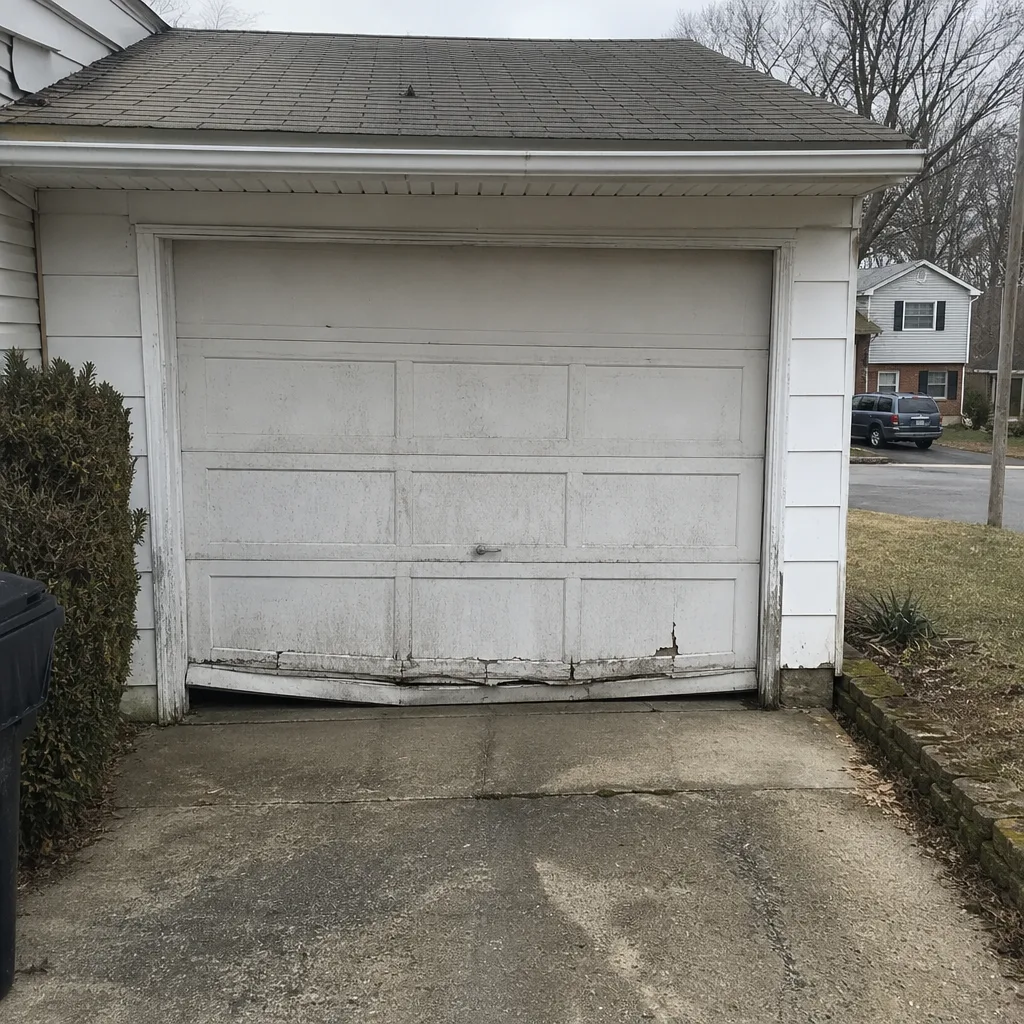 Before
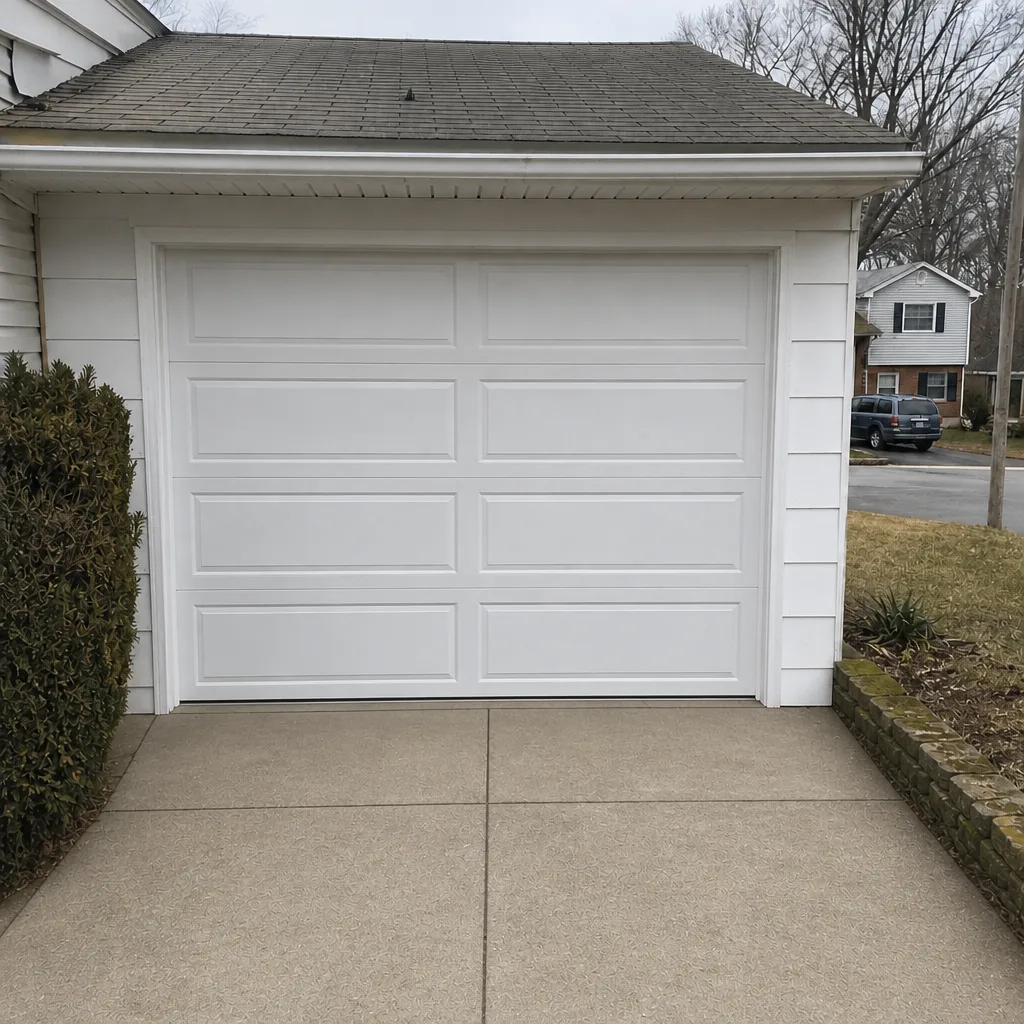 After
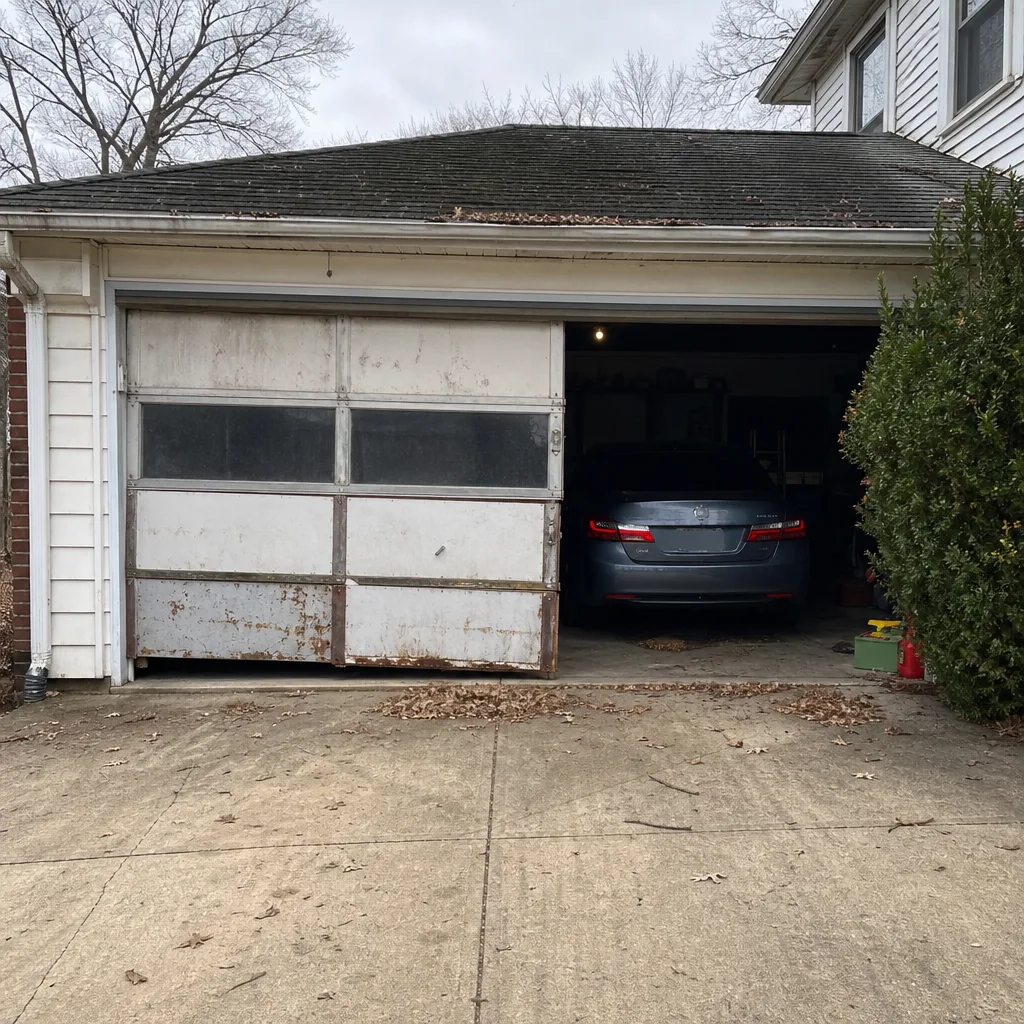 Before
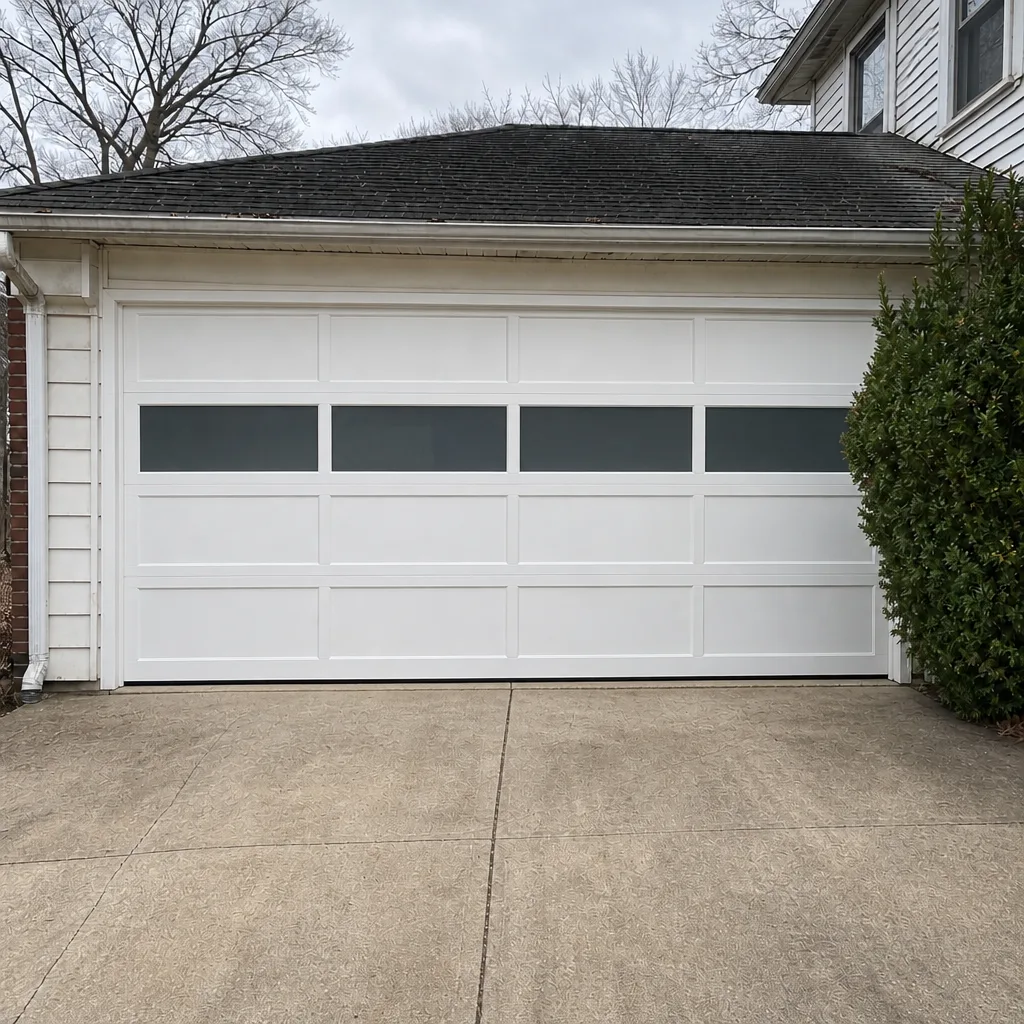 After
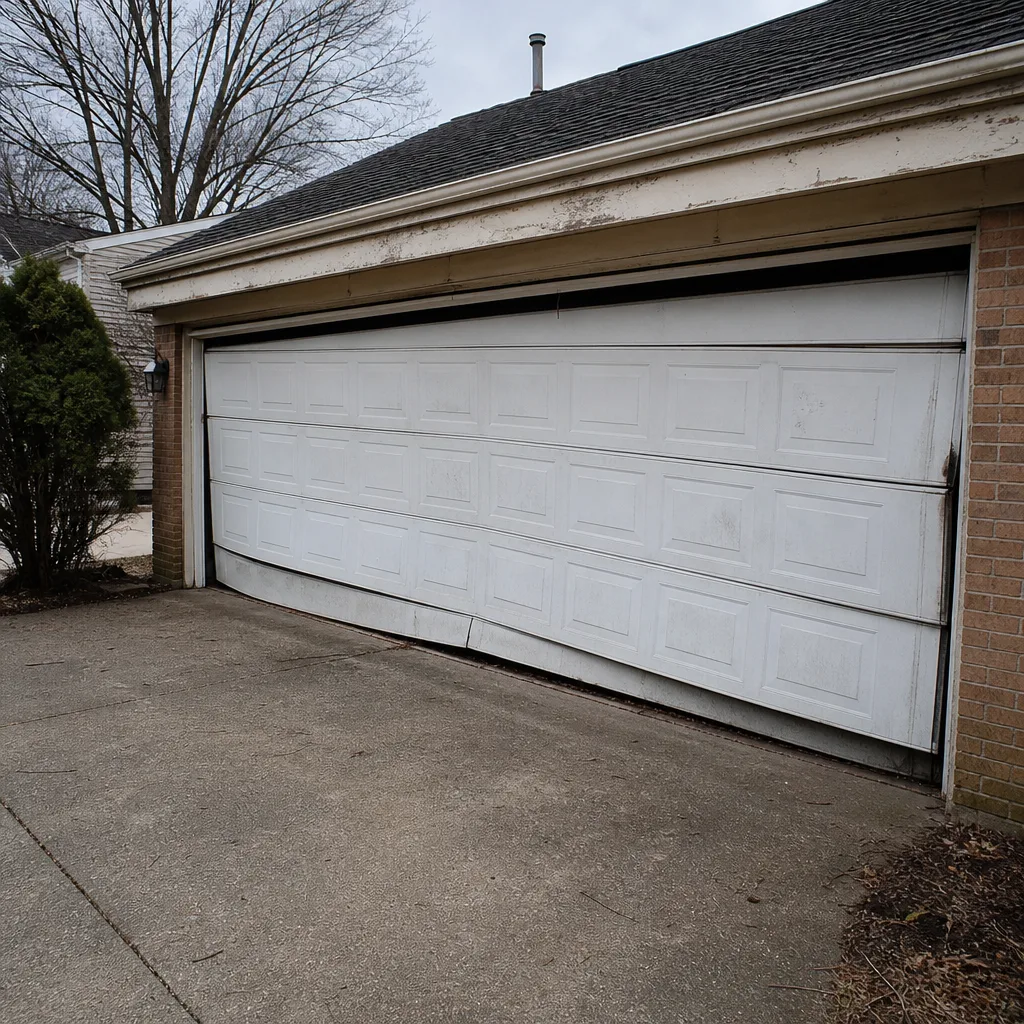 Before
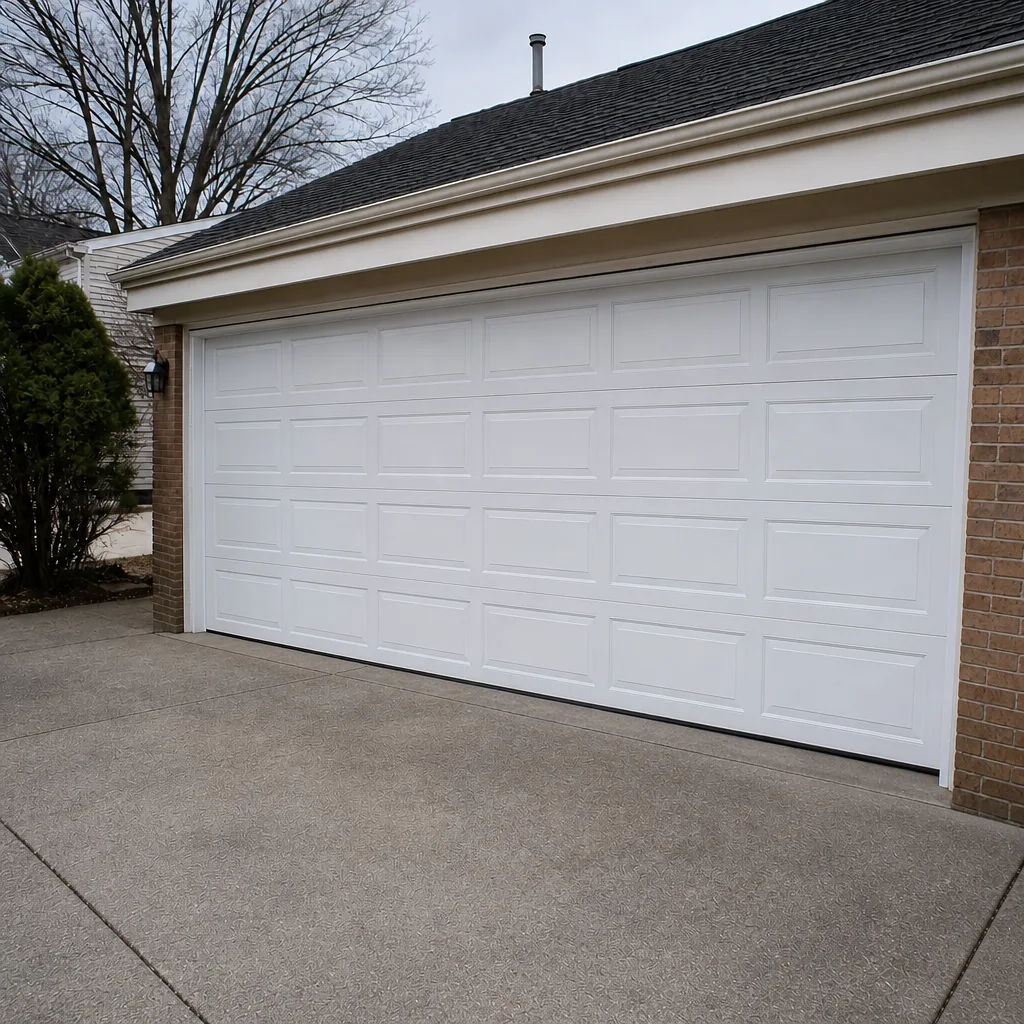 After
When to Call a Professional
Some garage door care belongs to the homeowner and some belongs to a specialist. The line is usually drawn at the springs and the opener’s internal electrical components. If a spring has snapped, if the door feels dramatically heavier than it did last month, if the door is stuck open or won’t open at all, or if the opener runs but the door doesn’t move, that’s a call rather than a maintenance project. The same goes for a door that’s come off its track or a panel that’s visibly warped after a summer of humidity.
Laurel Garage Door Repair Pros offers free estimates in Laurel. Our technicians have up to 10 years of experience, and we work on the door and opener brands you already have – LiftMaster, Chamberlain, Genie, Clopay, Amarr, Wayne Dalton, Craftsman, and Raynor – without pushing a replacement when a repair is the right answer. When a door can’t wait, our emergency service is available for stuck doors, broken springs, and openers that have failed at the worst possible moment. Call (855) 337-2016 for a free estimate and to schedule an inspection, and we’ll sequence the work to match the month.
Frequently Asked Questions
February, for the spring inspection. It’s the month when torsion and extension springs are most likely to fail in Laurel’s climate, so a check in late winter catches a failing spring before it breaks. The October tasks are worth doing, but they don’t replace the February inspection.
Hold a straightedge against the face of each panel and look for any gap along the panel’s length. If the gap is visible, the panel has moved. The other test is to close the door and look for daylight under the bottom corners – warped panels often lose compression on one side rather than evenly.
A leaf, twig, or seed pod between the photo-eye sensors is the most common cause. Clear the sensor path and check that both indicator lights are steady. If the door still won’t close after that, the sensors may have been knocked out of alignment by a leaf blower or a car, and a technician can re-align them in a few minutes.
No, lubricate the hinge points and the opener rail sparingly, not the tracks. Track channels should be cleaned and left dry. Lubricant in the tracks picks up grit and scores the rail, which is the opposite of what you want going into cold months.
A full inspection once a year, timed for late winter, covers the highest-risk season. A second, lighter check in fall for the sensors and the bottom seal is worth doing given the leaf load. If the door is older or has a wood panel, add a summer look for warping.
A bottom seal replacement is one of the few tasks a homeowner can reasonably do. Pop the old seal out of its channel, clean the channel, and slide the new seal in. If the door’s threshold is uneven or the seal won’t stay seated, that’s when a professional inspection helps. Don’t attempt any repair that involves the springs, cables, or torsion system.
The Bottom Line
The garage doors in Laurel fail on a Laurel schedule, and a maintenance plan that’s written for a generic climate misses it. The key moves: check the springs in late winter, not October; clean the tracks in spring when pollen arrives; test the bottom seal in summer humidity and in fall leaf season; winterize the threshold without over-lubricating the rail. Skip the tasks that carry injury risk – springs, cables, torsion systems – and hand those to a specialist. Our technicians have up to 10 years of experience and work on the brand already on your door. If you’d like a professional inspection or a free estimate, call Laurel Garage Door Repair Pros at (855) 337-2016. We’ll help you sequence the work to match the month, so the repair that never happens doesn’t cost you the repair that does.
Written by the team at Laurel Garage Door Repair Pros.