Last updated November 22, 2026
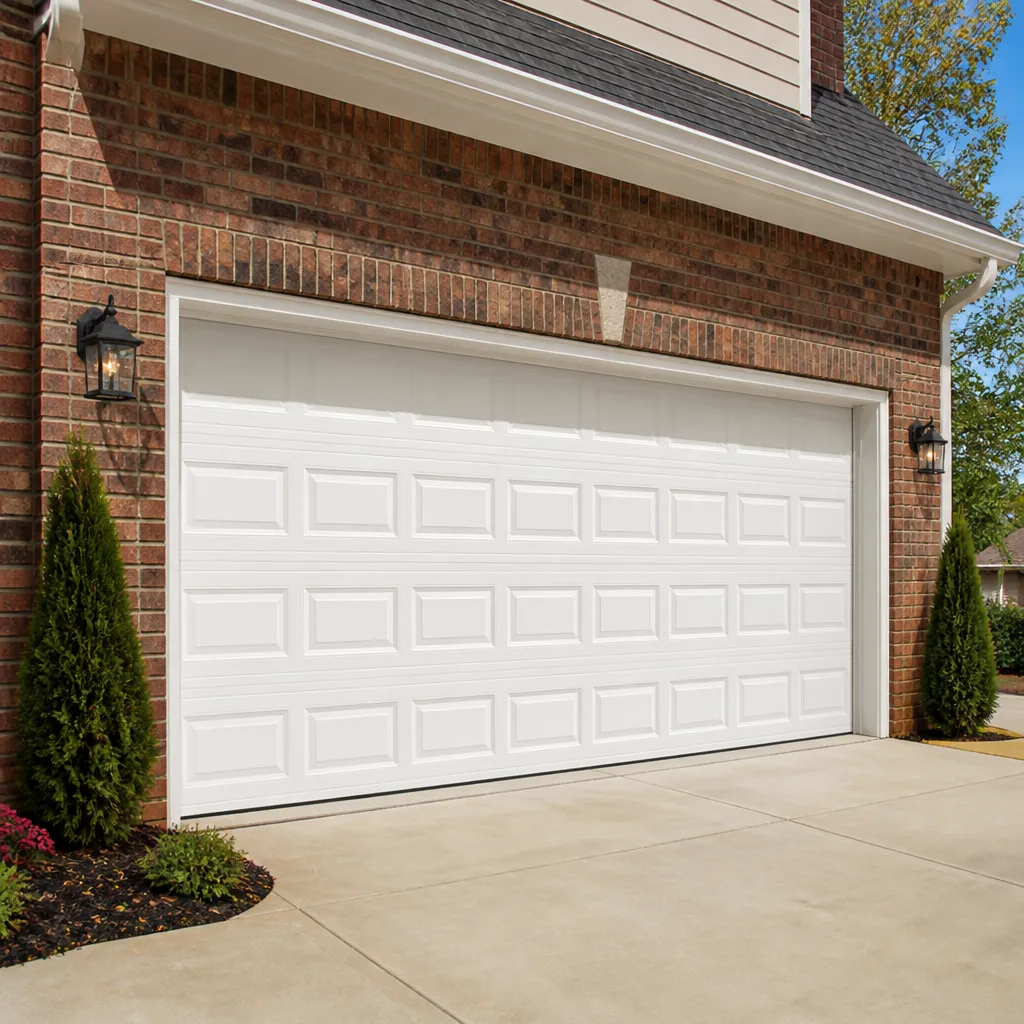 Raised-panel steel
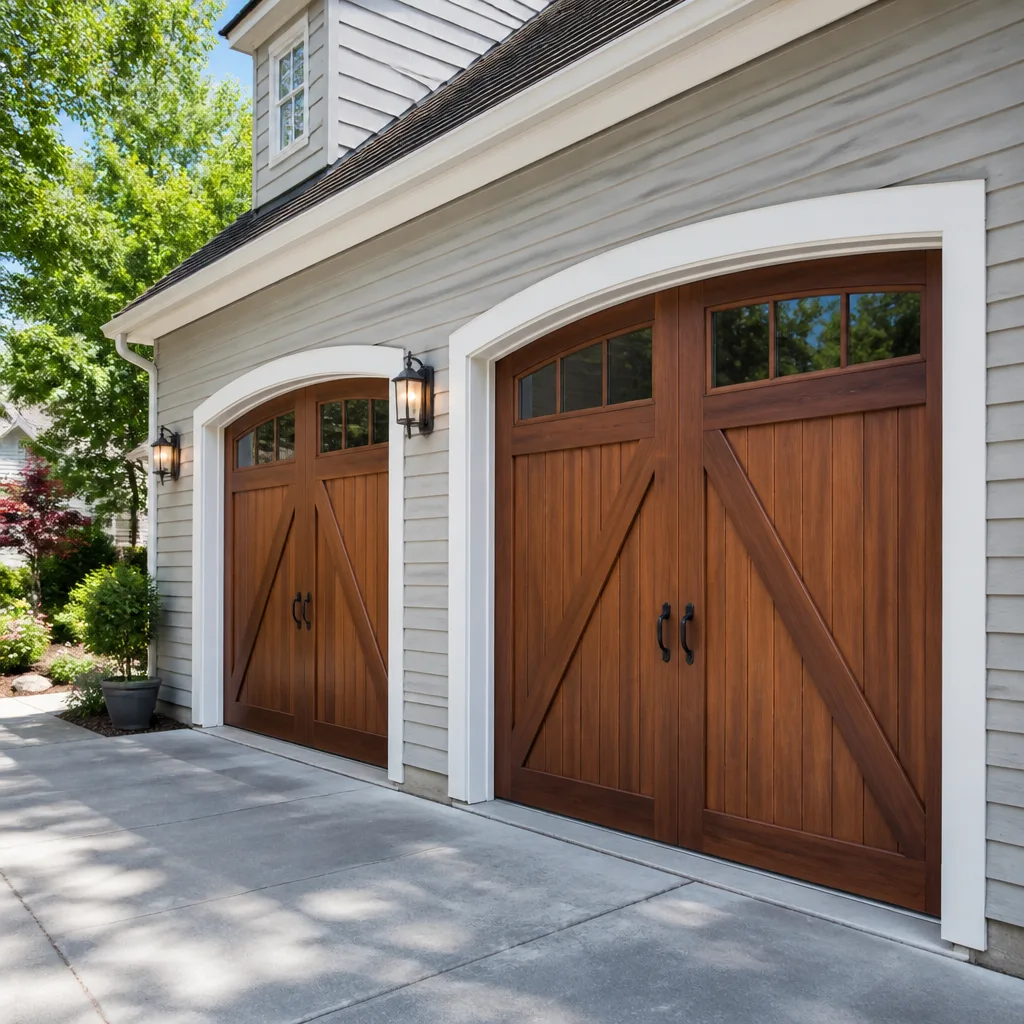 Carriage house
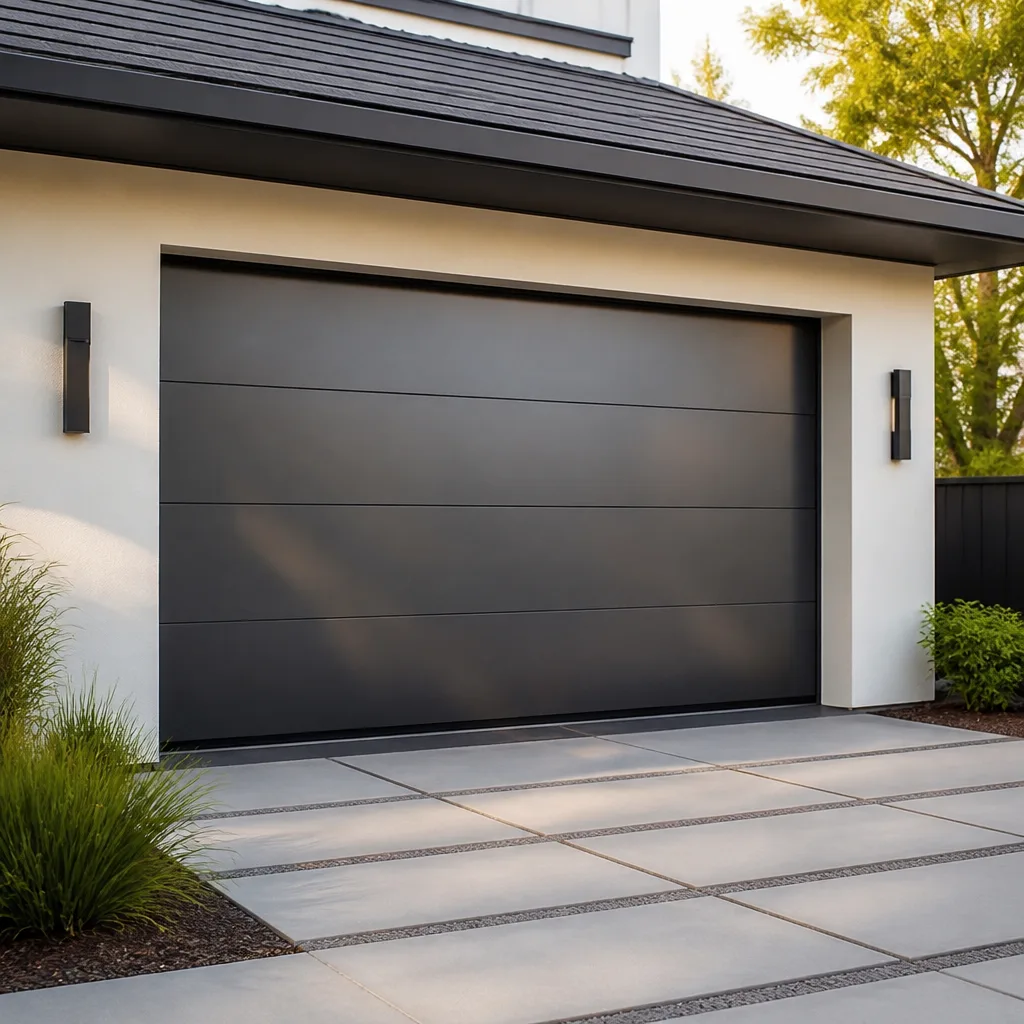 Modern flush
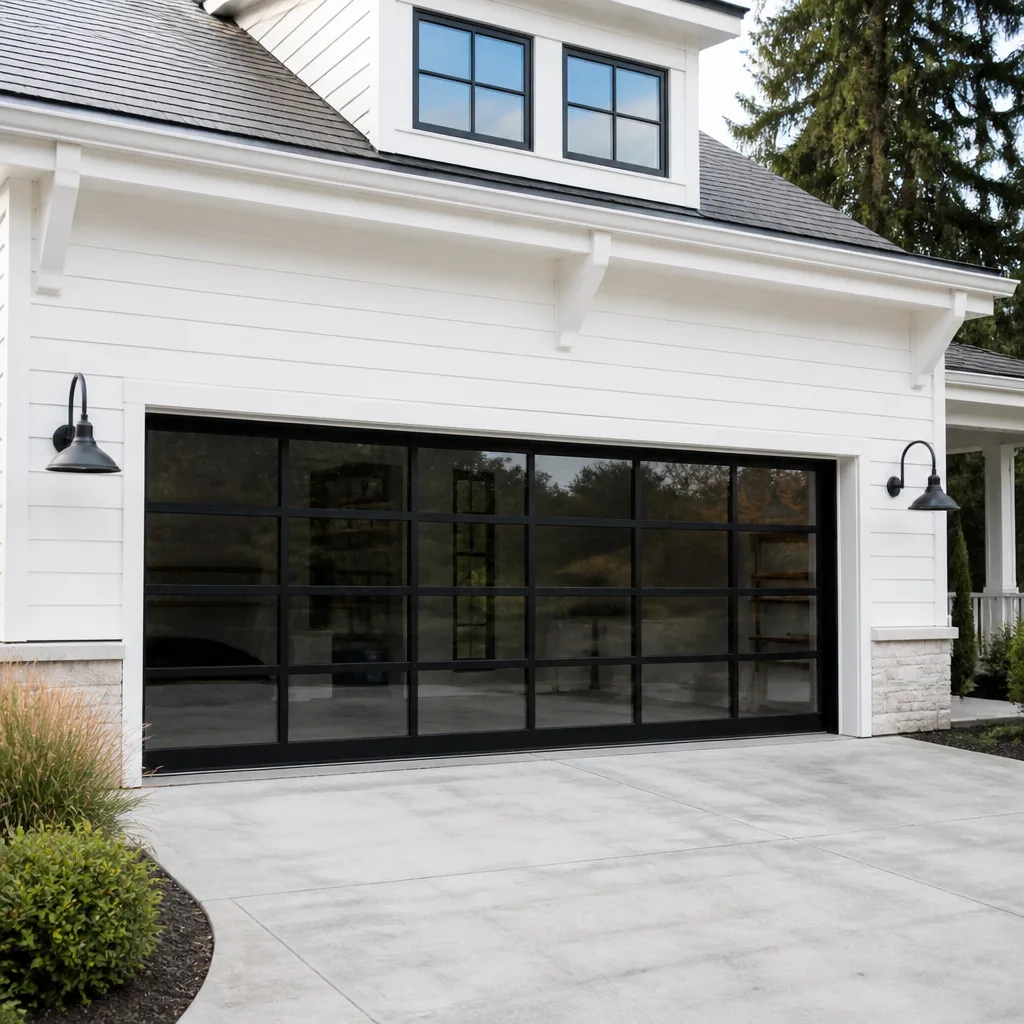 Full-view glass
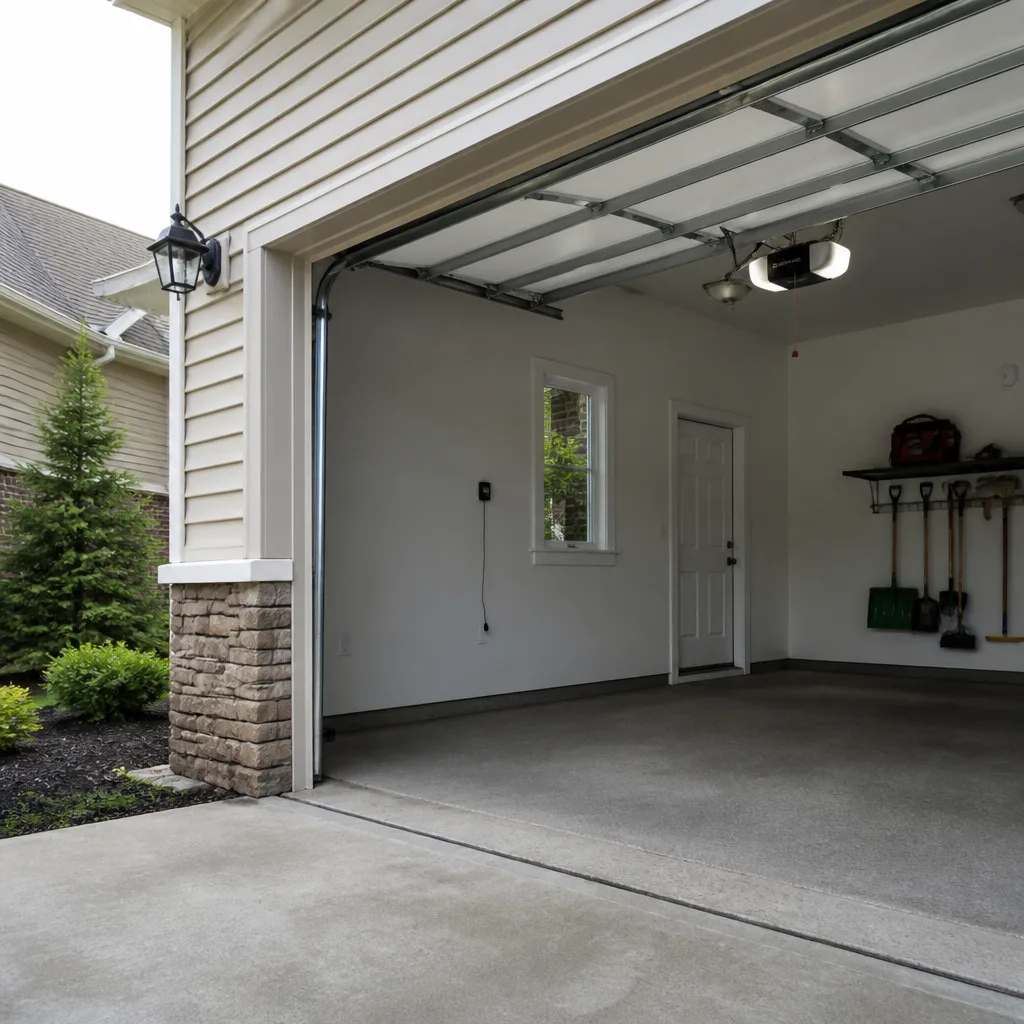 LiftMaster openers
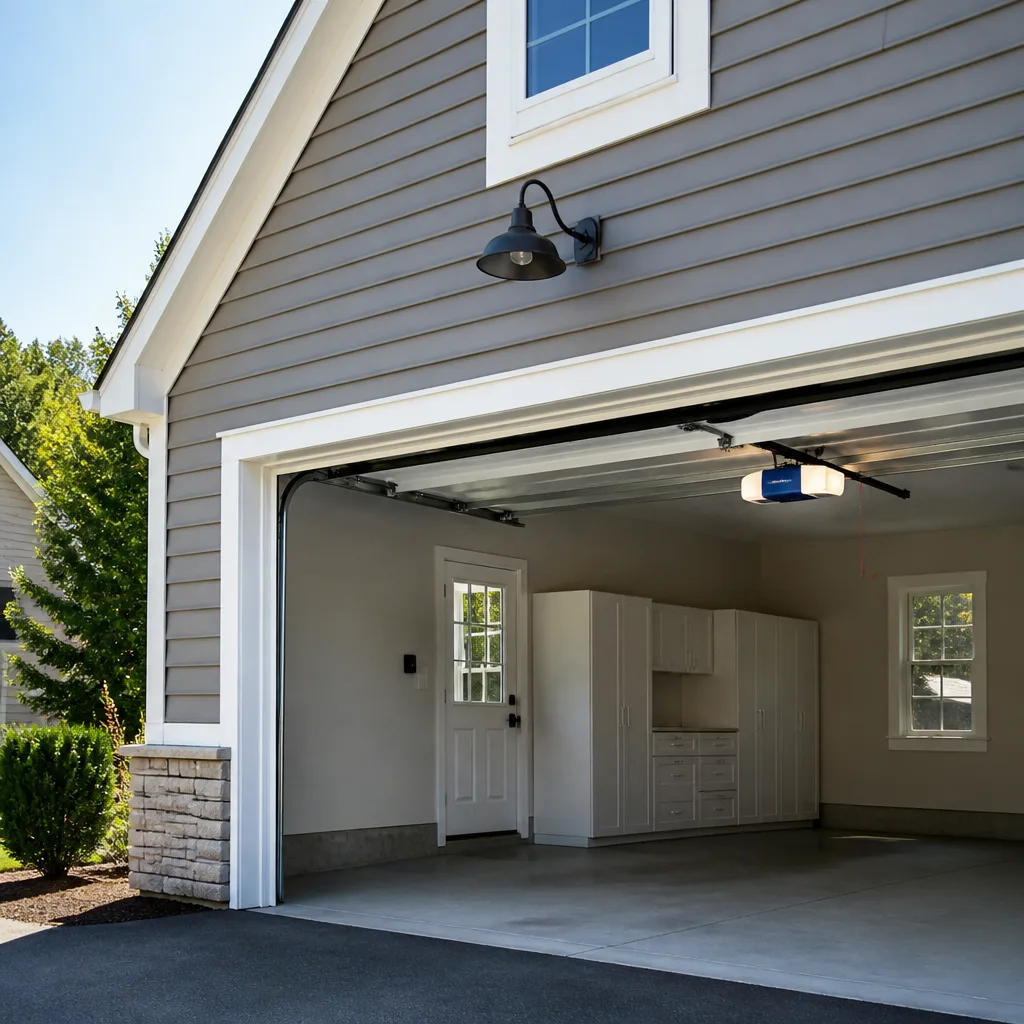 Chamberlain openers
Full 25-point door and opener safety check with every visit - springs, cables, rollers, tracks, and your LiftMaster or Chamberlain opener included
You get a price before we start. It does not change when the pro arrives.
Get your free estimateThe Complete Guide to Garage Doors in Laurel
Most “complete guides” to garage doors are written for a fictional average homeowner in a fictional average city. That’s why they won’t tell you that many Laurel HOAs mandate specific door colors and panel styles that quietly eliminate half the catalog at the big-box store. It’s why they skip the fact that a 1970s colonial off Route 1 and a new townhome near the Patuxent have completely different door needs. And it’s why they never mention that Prince George’s County zoning and your subdivision’s covenants come before product selection, not after. This guide starts with Laurel’s actual housing stock, climate, and rules. You’ll learn how to choose, size, and maintain a door that fits your specific home.
Quick Answer
Choosing a garage door in Laurel means matching three things before you shop: your HOA’s color and panel rules, your home’s construction era (1970s-90s colonials behave differently from newer townhomes), and your existing opener’s compatibility. Steel doors typically last 15-25 years here, wood needs more frequent refinishing because of humidity swings, and composite sits in between. Get the rules and measurements right first, and the product decision gets much simpler.
Styles & brands we work with
- Raised-panel steel
- Carriage house
- Modern flush
- Full-view glass
- LiftMaster openers
- Chamberlain openers
Table of Contents
- How Laurel’s Housing Stock Shapes Your Door Choice
- HOA Covenants and PG County Zoning: What Comes First
- How Laurel’s Climate Affects Steel, Wood, and Composite
- Realistic Lifespan for Common Laurel Door Types
- Cross-Referencing Your Opener Before You Buy
- Permits and Inspection in Prince George’s County
- A Seasonal Maintenance Routine for Laurel Homes
- Repair or Replace? A Decision Framework
How Laurel’s Housing Stock Shapes Your Door Choice
Laurel isn’t one housing market. It’s several, stacked on top of each other. The 1970s through 1990s colonials that dominate older neighborhoods were built with standard single-car and double-car openings, usually 8 or 9 feet wide for singles and 16 feet for doubles. Many of those original doors are still on the house, or have been replaced once already with whatever was on sale at the time. Newer townhome communities use narrower openings and tighter clearance, which limits both panel styles and opener mounting options. Knowing which category your home falls into tells you more about your door options than any showroom display will.
Here’s what we see across the three main categories in Laurel:
- 1970s-1990s colonials: Standard 16×7 double or 9×7 single openings, often with a wooden frame that has taken decades of weather. Room for almost any panel style, but the frame and tracks may need attention before a new door goes on.
- Newer townhomes: Narrower openings, low headroom in some garages, and builder-grade openers that may not handle a heavier replacement door. Measure headroom and side clearance before you fall in love with a design.
- HOA-governed communities: Architectural review is part of the process, and the review board usually has a written list of approved colors and panel styles. More on that next.
If your home is in the first category and the door is original, an honest assessment of the frame, springs, and opener often saves money compared with a full replacement. For a closer look at what a repair involves, see our garage door repair page. If the door itself is failing structurally, replacement is usually the better path, and that’s covered later in this guide.
HOA Covenants and PG County Zoning: What Comes First
Before you pick a product, read your covenants. This is the step most homeowners skip, and it’s the one that costs the most time and money when it’s missed. Many Laurel HOAs require architectural review for any exterior change visible from the street, and a garage door qualifies. Some restrict colors to a specific palette. Others dictate panel style (raised panel versus carriage house, for example) or prohibit certain materials. A door that looks great in the showroom can be rejected by the review board after you’ve already ordered it.
Here’s the order we recommend working through before you buy:
- Pull your HOA’s architectural guidelines and find the section on garage doors. If you don’t have a copy, request one from your association.
- Note the approved colors, panel styles, and any material restrictions. Write them down.
- Check whether your HOA requires formal architectural review approval before installation, and build that timeline into your planning.
- Confirm with Prince George’s County whether your specific project needs a permit (more on this in the permits section).
- Only then start shopping, with the approved list in hand.
Zoning matters less for a like-for-like replacement than for a change in size or structure, but it’s worth a call to the county if you’re planning anything beyond a direct swap. The practical effect for most Laurel homeowners is simple: your HOA rules narrow the catalog, and the county rules set the process. Get both settled and the buying decision gets much easier.
How Laurel’s Climate Affects Steel, Wood, and Composite
National product specs are written for a national average. Laurel isn’t average. The area sits between the Patuxent watershed and the urban heat corridors that build up around the Baltimore-Washington corridor, which means meaningful humidity swings across the year and hot, humid summers. That combination punishes some materials more than others, and it changes the maintenance math in ways a spec sheet won’t tell you.
- Steel: Handles the humidity swings well. The weak point is the bottom section, where moisture collects against the ground and paint tends to fail first. Keeping that bottom edge painted and clear of standing water is the single most important maintenance task for a steel door in Laurel.
- Wood: The most beautiful option and the most demanding. Wood expands and contracts with humidity, and the paint or stain film has to stay intact or moisture gets in. In this climate, expect to refinish more often than a national guide suggests, and inspect the bottom rail every year.
- Composite: Sits between the two. It resists moisture better than wood and can mimic the look, but it’s not immune to heat. Dark colors absorb more heat, and composite doors in full sun can show warping over time if the material isn’t rated for the conditions.
Insulation matters here too, especially for garages attached to the house. An insulated door helps keep the garage from becoming an oven in summer and a cold box in winter, which affects both comfort and how hard your opener has to work. It’s not just an energy question; it’s a longevity question for everything stored in the garage.
Realistic Lifespan for Common Laurel Door Types
A garage door’s lifespan depends on material, maintenance, and how much weather it takes. National averages are a starting point, but the range in Laurel is wide enough that a single number is misleading. Here’s a realistic breakdown for the door types most common in Laurel’s 1970s-2000s housing developments, assuming reasonable maintenance.
- Steel, standard gauge: 15-25 years. The door panel usually outlasts the springs, which are a wear item regardless of material.
- Steel, heavier gauge or insulated: 20-30 years. Better dent resistance and less flex over time.
- Wood: 20-40 years if refinished on schedule. The range is wide because maintenance drives the outcome more than the wood itself.
- Composite: 20-30 years. Resists moisture well but can be affected by prolonged heat exposure in dark colors.
- Aluminum (common on some townhomes): 15-20 years. Light and rust-resistant, but more prone to denting.
Those are door panel lifespans. Springs, rollers, cables, and openers run on shorter cycles and get replaced more often than the door itself. A 1970s colonial with an original door is likely on its second or third set of springs, and that’s normal. The question isn’t “how old is the door” but “what condition is each component in.”
Cross-Referencing Your Opener Before You Buy
This is the step generic guides skip, and it leads to real problems. Your existing opener was matched to your existing door’s weight and dimensions. A new door with different weight, thickness, or balance characteristics may not work with the opener you have, or may work but wear out faster. Before you commit to a door, cross-reference it against your opener.
Work through this list:
- Identify your opener’s brand and model. The label is usually on the motor housing. If it’s one of the major brands, we work on it: LiftMaster, Chamberlain, Genie, Craftsman, and Raynor are all common in Laurel garages.
- Find the door weight or check whether the opener is rated for the door type (some are rated for sectional doors, some for one-piece).
- Check the drive type (belt, chain, screw) and the horsepower. A heavier insulated door may need more lifting capacity than a lighter uninsulated one.
- Confirm the safety features: photo-eye sensors and, on newer openers, a battery backup.
- If the opener is older than the door you’re considering, budget for an opener replacement alongside the door. A new door on a worn opener is a false economy.
If the compatibility picture is unclear, that’s a good time to get a professional assessment rather than guess. Our garage door opener repair page covers the diagnostics in more detail, and it’s worth reading before you buy a door the opener can’t handle.
Permits and Inspection in Prince George’s County
Not every garage door project needs a permit, and knowing which is which saves time. The general rule of thumb: a like-for-like replacement of a door in the same opening, same size, same operation, is usually a contractor-pull-and-go situation with no inspection. A change in opening size, structural modification to the header, or a switch from one type of door to another (say, a sectional to a one-piece or a swing-out) is more likely to trigger a permit and an inspection. This is a general guide, not a ruling; the county decides case by case, so call Prince George’s County’s permitting office to confirm your specific project before work begins.
What homeowners should know going in:
- Ask your contractor whether they’re pulling the permit and who’s responsible for the inspection.
- Get the permit question answered in writing before work starts, not after.
- Keep the inspection paperwork. It can matter when you sell.
- If your HOA requires architectural review, that approval and the county permit are separate processes. Do both.
The county’s permitting office is the authority, and a quick call settles it. If you’re not sure how your project classifies, that’s a conversation to have before you order the door.
A Seasonal Maintenance Routine for Laurel Homes
Most garage door failures are predictable. The door gives you signals for weeks or months before it stops working, and a simple routine catches them early. Here’s what we recommend for a Laurel home, season by season.
- Every month: Look at the springs and cables. If you see a gap in a torsion spring, a frayed cable, or a door that’s become hard to lift by hand, stop using the opener and get it checked. Lubricate the rollers, hinges, and tracks with a garage-door lubricant, not WD-40.
- Every spring: Wash and inspect the bottom section of the door, where moisture and road grime collect. Touch up any paint failure on steel, and check the bottom seal for cracks.
- Every summer: Test the safety reverse. Put a piece of wood or a roll of paper towels under the door and close it; it should reverse on contact. Check the photo-eye sensors for alignment and clean the lenses.
- Every fall: Look at the weather seal around the frame and the bottom threshold. A worn seal lets in cold air, moisture, and pests. Tighten any loose hinges and check the track for bends.
- Annually: Have the balance checked. A properly balanced door lifts easily by hand and stays put halfway up. If it doesn’t, the springs are losing tension and need attention.
One caution: the springs, cables, and the torsion assembly are under high tension, and they can cause serious injury if handled by someone without the right tools and training. Visual inspection is fine. Anything beyond that is a job for a trained professional.
Repair or Replace? A Decision Framework
This is the question we get most often, and the honest answer depends on the door’s age, the cost of the repair versus a new door, and whether the frame and hardware are sound. Here’s a framework that usually makes the decision clear.
- Repair when the door is under about 15 years old, the panels are sound, and the problem is a component: a broken spring, a failing opener, a bent track, a worn roller. Component repairs are usually the right call.
- Repair when the door is older but the structure and frame are solid. A well-built 1990s door with good panels can run another decade with proper maintenance.
- Replace when the panels are rusted through, dented beyond repair, or the door has structural rot. Cosmetic damage that doesn’t affect operation isn’t a replacement trigger on its own.
- Replace when repair costs climb toward a meaningful fraction of a new door’s price. At some point the money is better spent on a door that will outlast the repair.
- Replace when the door is undersized or the wrong type for the opening, or when you’re remodeling and the door no longer fits the design.
For a closer look at spring-specific repair, our garage door spring repair page walks through the process. And for the full-service picture, from Laurel Garage Door Repair Pros, we handle everything from a single spring to a complete new installation.
Common Mistakes to Avoid
- Shopping before checking your HOA rules. Many Laurel HOAs restrict colors and panel styles. Buy first and you may end up returning a door you can’t install.
- Skipping the opener compatibility check. A new door paired with an old opener can wear out faster or fail to lift. Match the two before you commit.
- Ignoring the frame and tracks. A new door on a rotten frame is a problem waiting to happen. Inspect the frame before installation.
- Assuming every project needs a permit, or that none do. Like-for-like replacements and structural changes are different in Prince George’s County. Confirm with the county.
- Treating springs as a DIY job. Torsion springs are under high tension and can cause serious injury. Visual check only; leave the work to a trained professional.
- Choosing material on looks alone. Wood needs more maintenance in Laurel’s humidity swings than steel or composite. Match the material to your willingness to maintain it.
- Ignoring the bottom seal. The bottom section and seal take the most weather. Replacing a cheap seal is one of the highest-value small jobs on a Laurel door.
See the difference
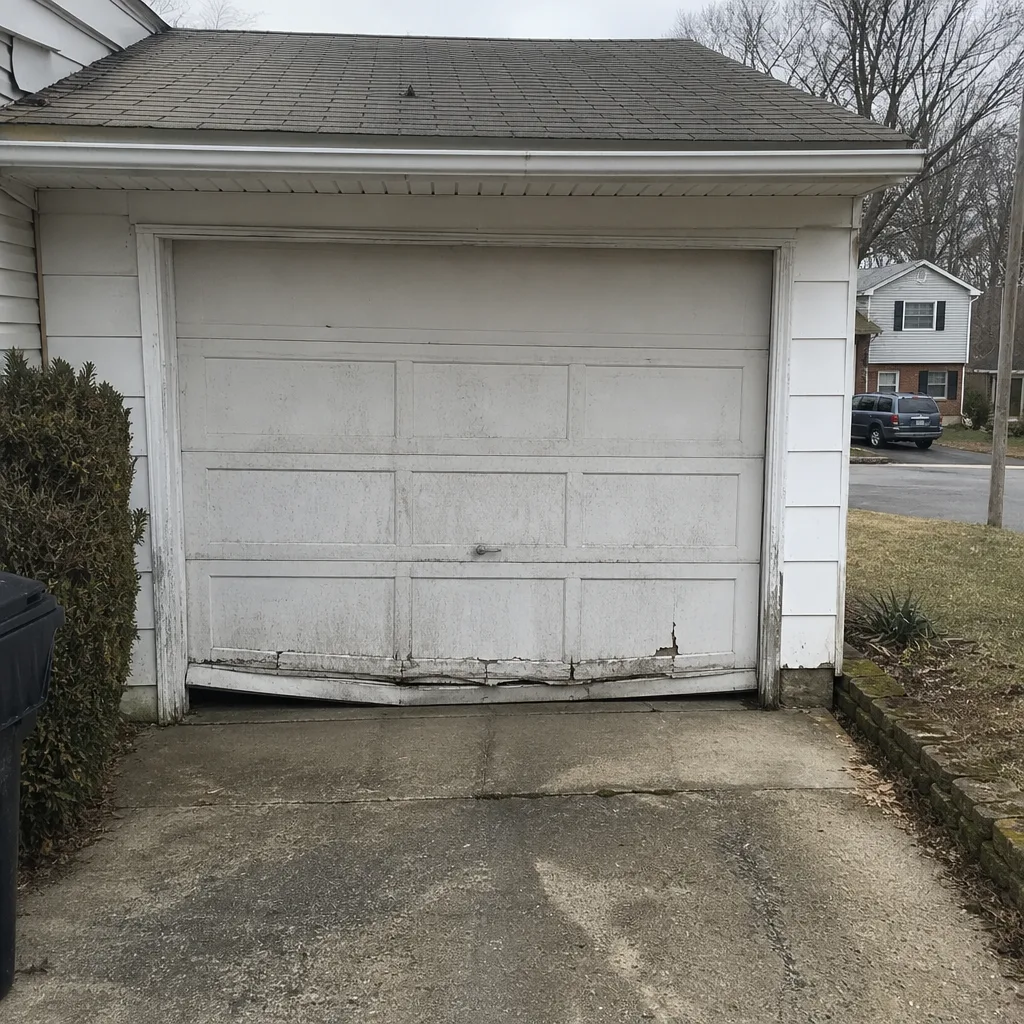 Before
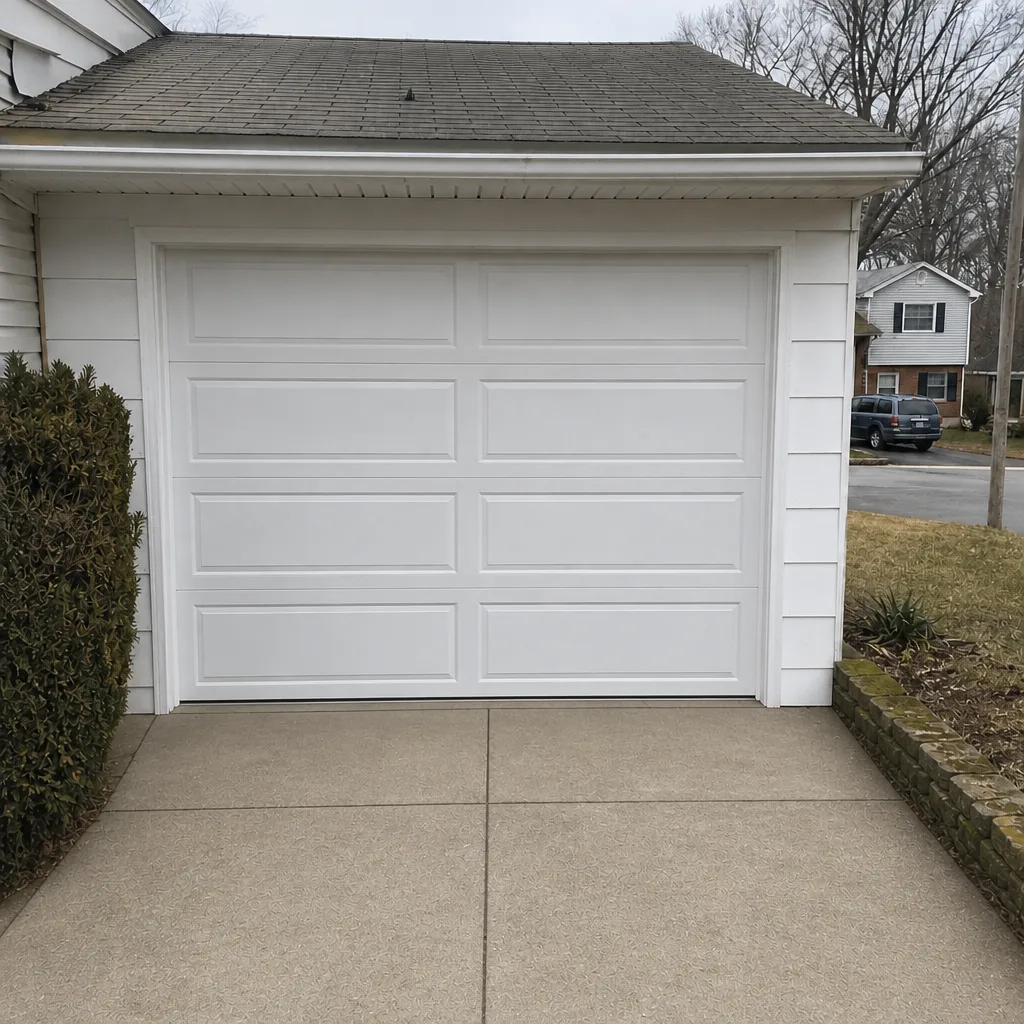 After
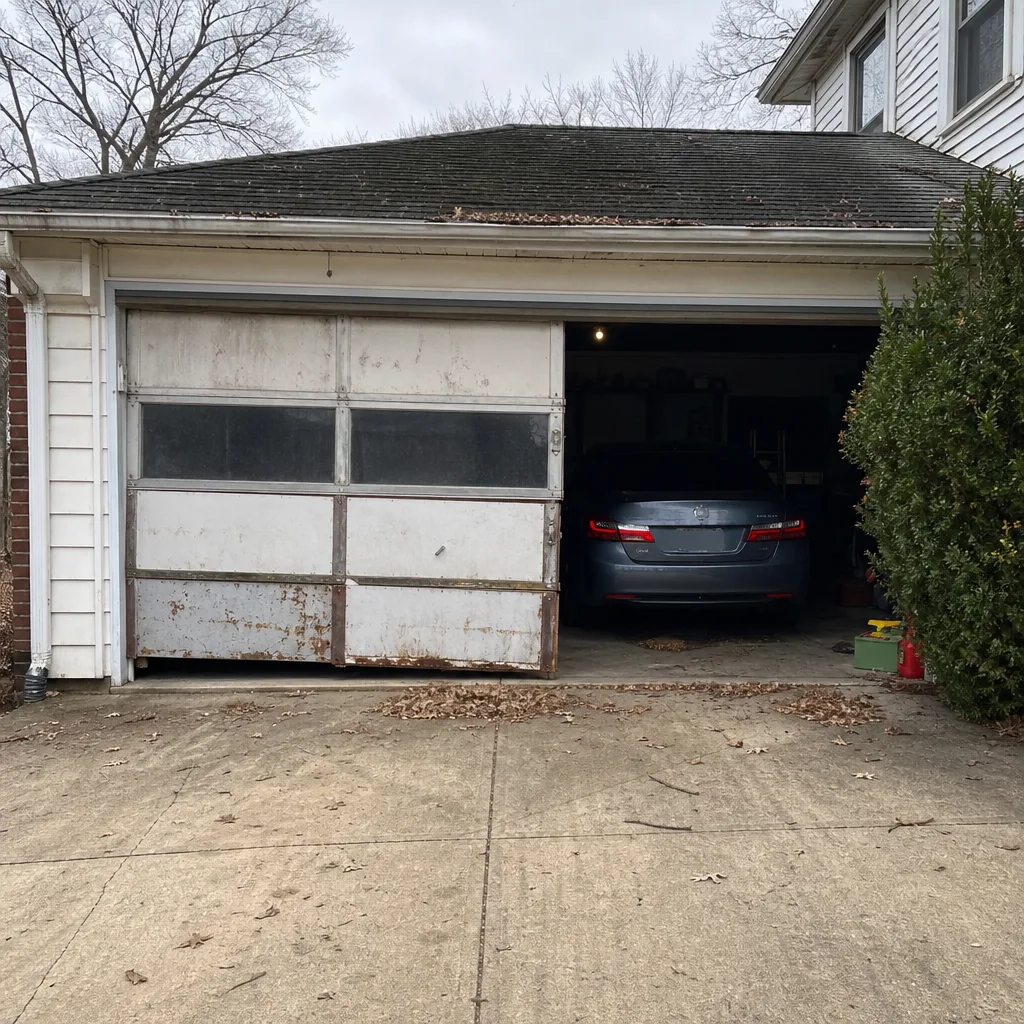 Before
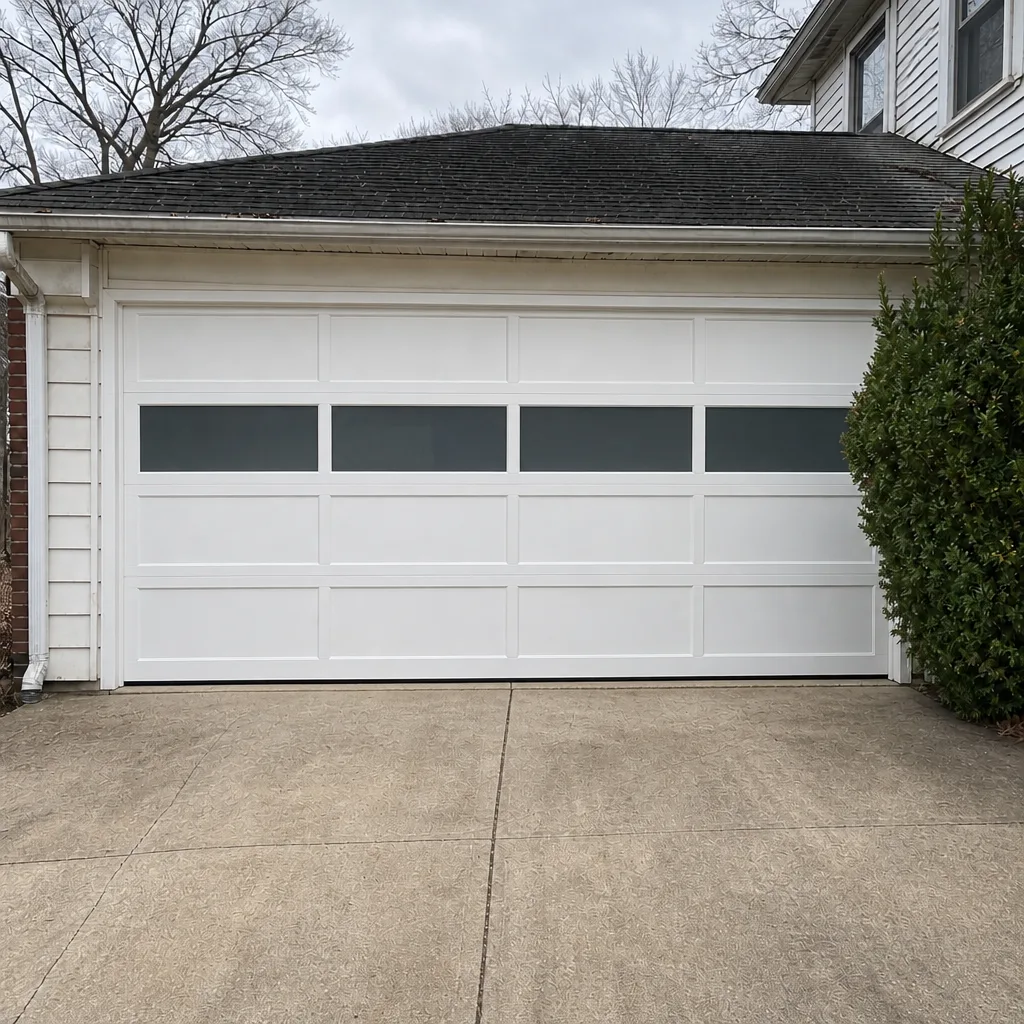 After
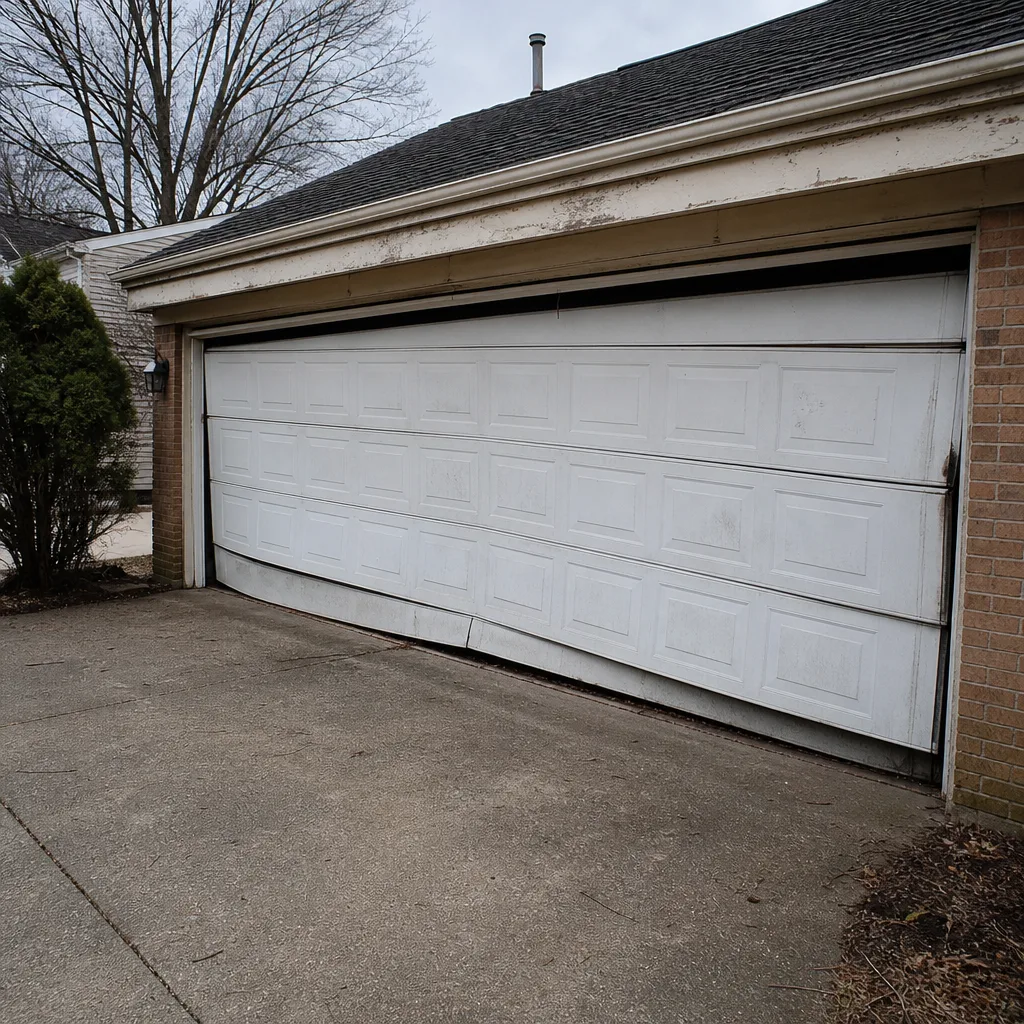 Before
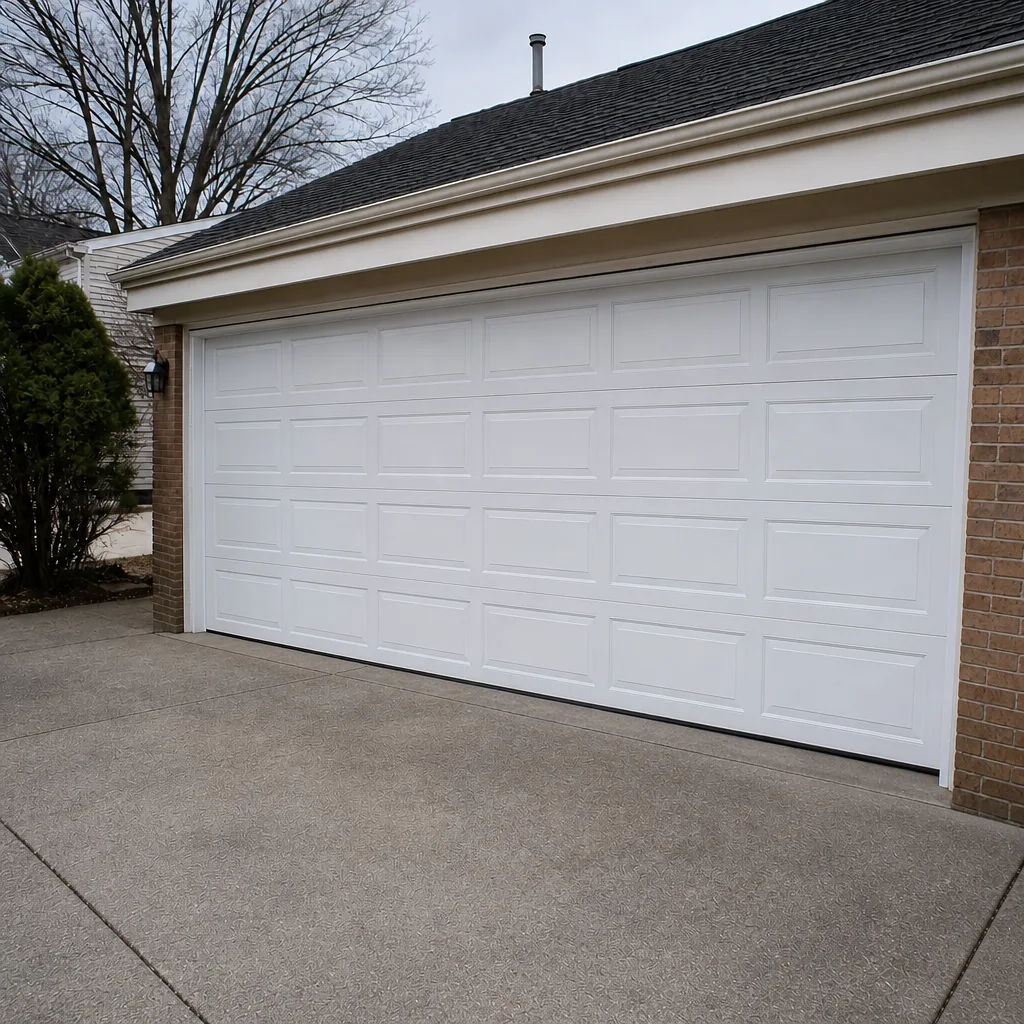 After
When to Call a Professional
Call a professional when the problem involves springs, cables, or anything under tension; when the door is off its track or won’t close evenly; when the opener runs but the door doesn’t move, or moves and then reverses; when you hear a loud bang from the garage and the door won’t lift; or when you’re planning a replacement and want the compatibility and permit questions answered before you buy. Those are the moments where a specialist saves time, money, and risk. Laurel Garage Door Repair Pros offers free estimates in Laurel and works on the brand of door or opener you already have, whether it’s a LiftMaster, Chamberlain, Genie, Craftsman, or Raynor system. Call (855) 337-2016 to schedule an assessment.
Frequently Asked Questions
Steel doors typically last 15-25 years here, wood 20-40 years with regular refinishing, and composite 20-30 years. The door panel often outlasts the springs and openers, which are wear items replaced more often. Laurel’s humidity swings mean wood needs more frequent attention than a national guide would suggest, and steel’s weak point is the bottom section where moisture collects.
It depends on the scope. A like-for-like replacement in the same opening is usually a contractor-pull-and-go situation, while a change in size or structure is more likely to require a permit and inspection. Call Prince George’s County’s permitting office to confirm your specific project before work starts. Get the answer in writing, and keep the paperwork.
Often yes, but not always. It depends on the opener’s lifting capacity, the new door’s weight, and whether the opener is rated for the door type. Cross-reference the opener’s brand, model, and horsepower against the door specs before you buy. If the opener is older than the door you’re considering, plan to replace both together.
Many Laurel HOAs require architectural review for any exterior change visible from the street, and that includes the garage door. Some restrict colors to a specific palette and panel styles to a specific look. Pull your covenants and confirm the approved options before you shop. The review board’s list is the authority, not the showroom’s.
Moisture and temperature swings are the main culprits. Humidity works on wood and the bottom section of steel doors, and heat affects dark composite and paint films. Springs and cables wear out on a cycle count regardless of climate. The most common preventable failures are rust at the bottom section and worn weather seals, both of which a seasonal routine catches early.
Repair if the panels and frame are sound and the problem is a component like a spring or opener. Replace if the panels are rusted through, structurally damaged, or the repair cost approaches a meaningful fraction of a new door. A well-built 1990s door in good condition can run another decade with maintenance. Get an honest assessment before deciding.
The Bottom Line
Laurel’s garage door decisions start with the rules, not the showroom. Check your HOA’s approved colors and panel styles before you shop, confirm the permit situation with Prince George’s County, and cross-reference your opener against any new door. Match the material to Laurel’s humidity swings and to how much maintenance you’re willing to do: steel for low maintenance, wood for the look with more upkeep, composite in between. Keep the bottom seal and springs on a seasonal check, and leave the tension work to a trained professional. Get those pieces right and the product decision takes care of itself.
If you’d rather have a specialist walk through it with you, call Laurel Garage Door Repair Pros at (855) 337-2016 for a free estimate. We work on the brand you already have, from a jammed spring to a full new installation, and our technicians have up to 10 years of experience with the systems in Laurel homes.
Written by the team at Laurel Garage Door Repair Pros.