Last updated November 22, 2026
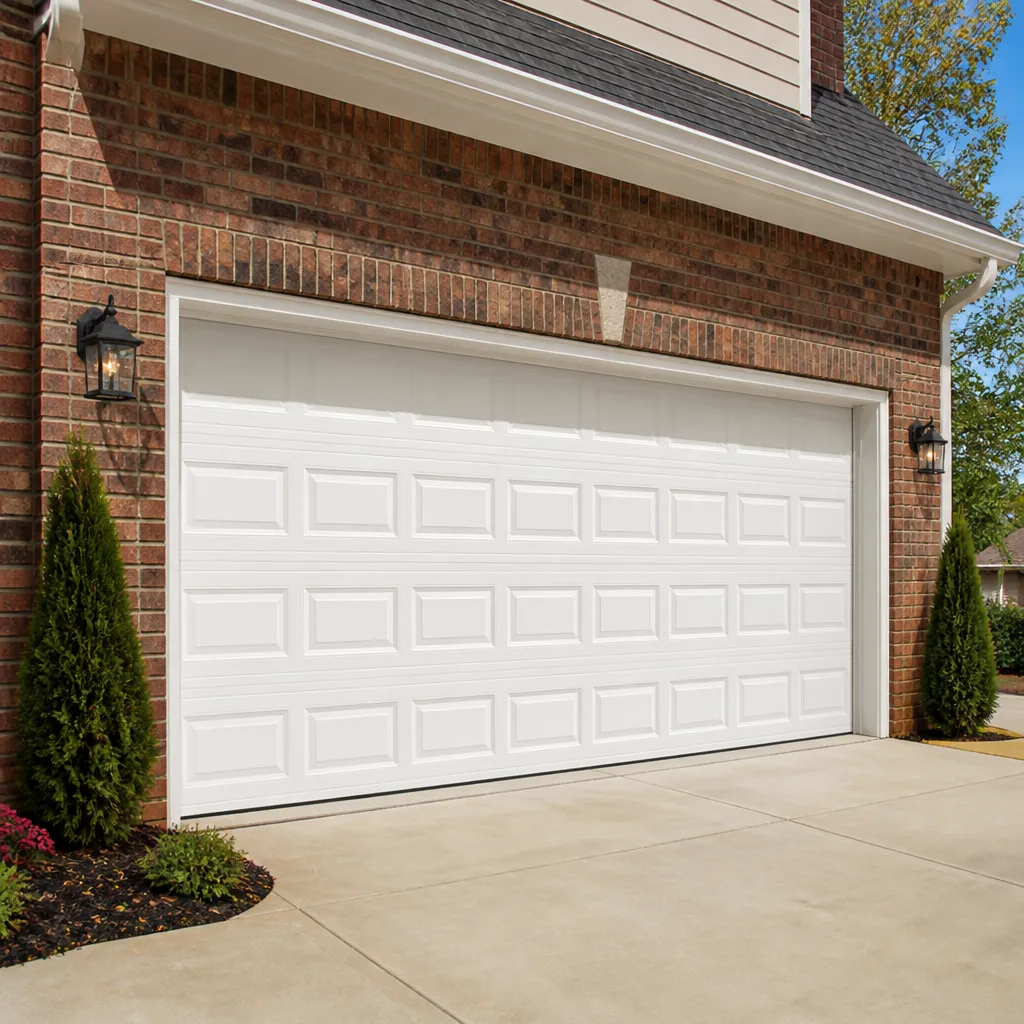 Raised-panel steel
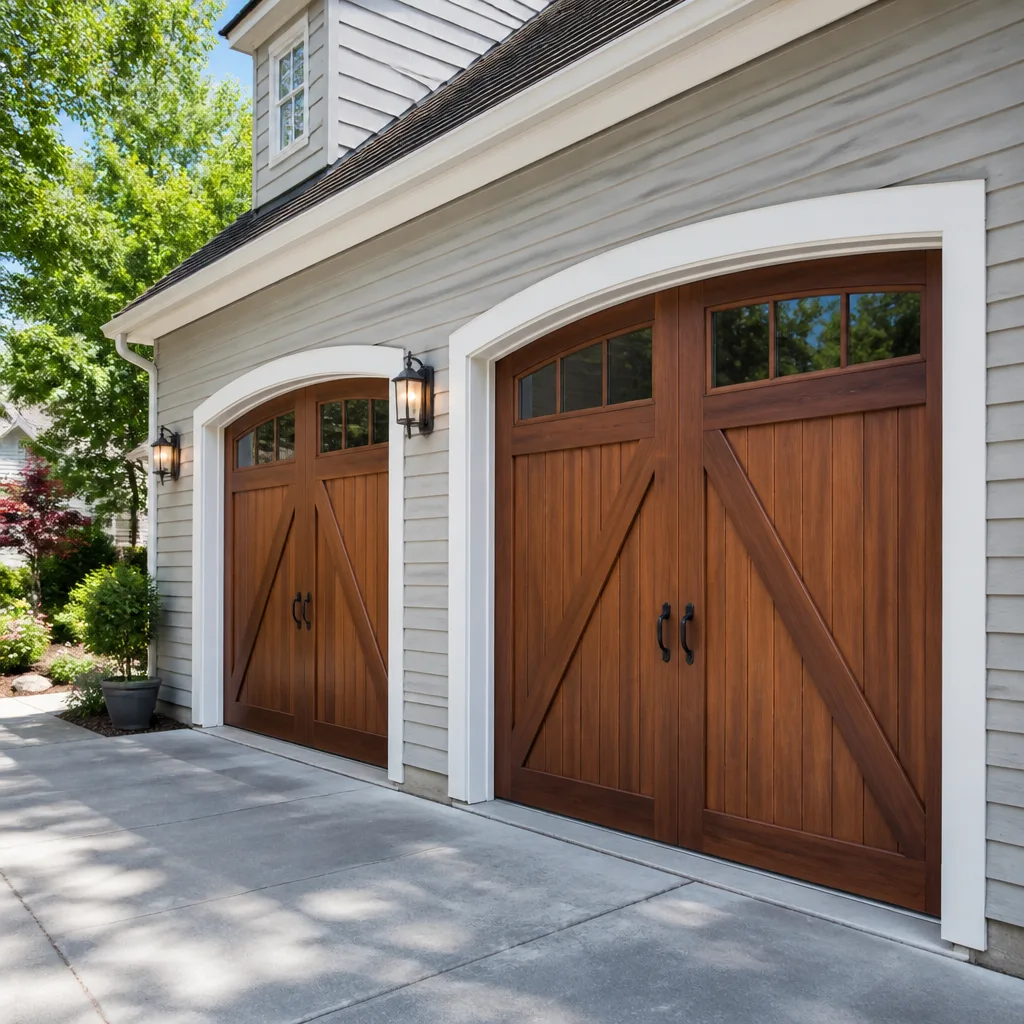 Carriage house
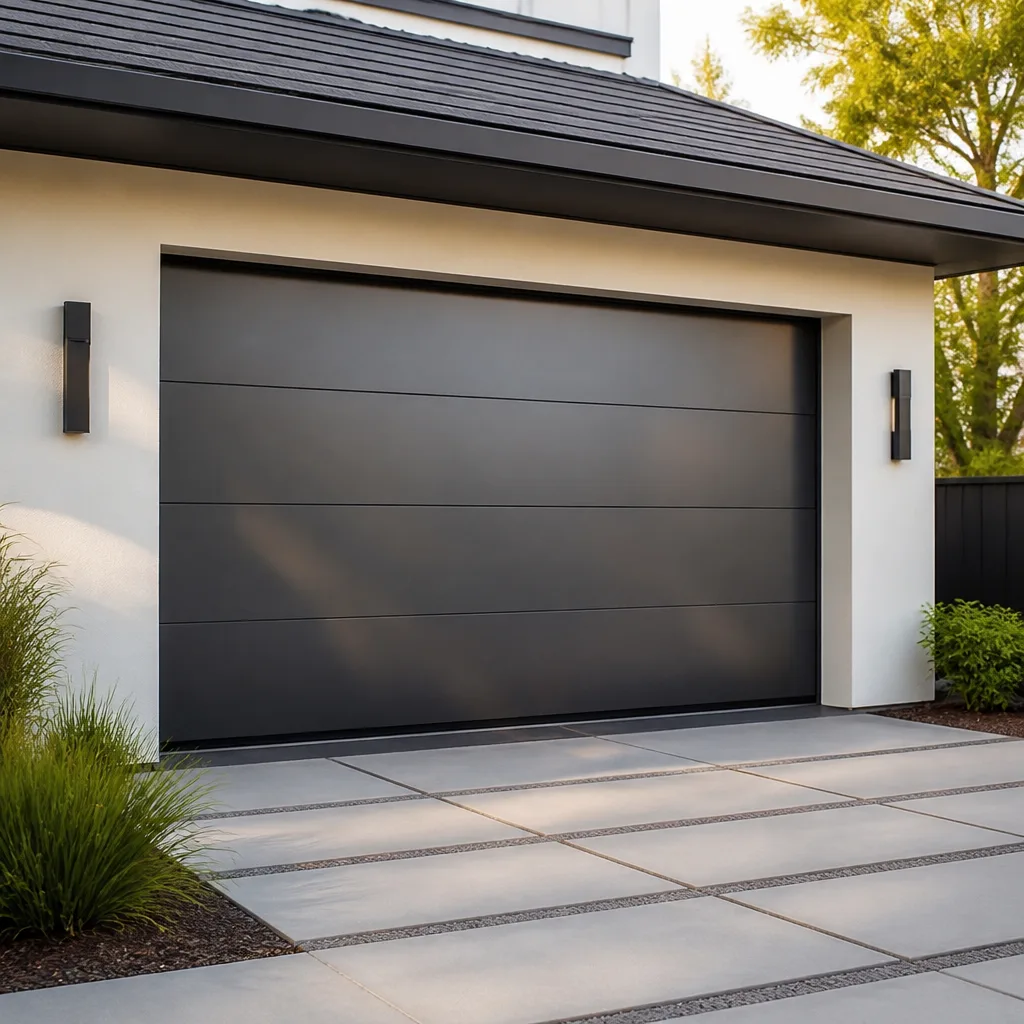 Modern flush
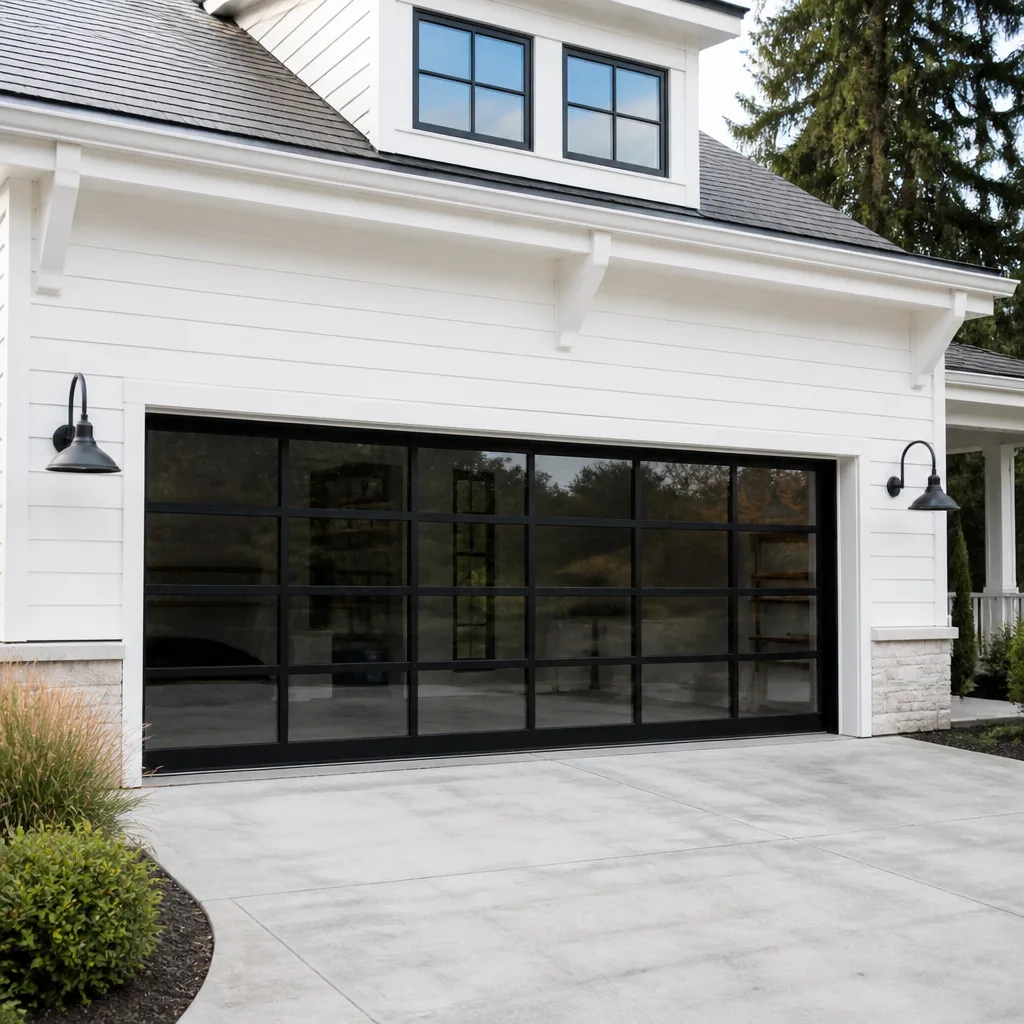 Full-view glass
 LiftMaster openers
 Chamberlain openers
Full 25-point door and opener safety check with every visit - springs, cables, rollers, tracks, and your LiftMaster or Chamberlain opener included
You get a price before we start. It does not change when the pro arrives.
Get your free estimateGarage Door Permits, Codes & Inspections in Laurel, MD: What You Need to Know
The most common misconception about garage door work in Laurel is that permits are only for new construction and major additions. In practice, the permit question for a garage door is rarely black and white. It depends on what part of the system you’re changing, how the door connects to the structure around it, and which layer of regulation applies – Prince George’s County building code, Maryland’s residential fire provisions, or your HOA’s architectural rules. Those layers don’t always agree, and homeowners usually find that out after the work is finished. This guide walks through which jobs typically need a county permit, how the fire-rated door between an attached garage and living space fits in, what an HOA can actually enforce, how inspections get scheduled, and what unpermitted structural work looks like during a resale inspection.
Quick Answer
In Laurel, a like-for-like garage door replacement usually doesn’t require a Prince George’s County permit, but structural changes – modifying or replacing a header, widening an opening, altering framing – generally do. Opener work that involves new wiring or a new circuit typically falls under electrical permit rules, and any attached-garage door serving as a fire separation must meet Maryland’s residential fire provisions regardless of whether a permit is pulled. When in doubt, call the Prince George’s County building department before work starts; the answer takes minutes and protects you at resale. For an exact quote on the door work itself, call (855) 337-2016 – estimates are free.
Styles & brands we work with
- Raised-panel steel
- Carriage house
- Modern flush
- Full-view glass
- LiftMaster openers
- Chamberlain openers
Table of Contents
- Which garage door jobs need a permit in Laurel?
- How Maryland’s fire code applies to your attached garage door
- What your HOA can and cannot enforce
- The inspection process and how to keep your project moving
- Resale: what unpermitted structural work looks like to a buyer
- How Laurel’s weather and housing stock shape these jobs
- How we approach a permitted garage door project
- Common mistakes to avoid
Which garage door jobs need a permit in Laurel?
Permit requirements hinge on whether the work changes the structure, the electrical system, or neither. A straight swap – one door out, one door of the same size and type in – is generally treated as a repair or replacement under Prince George’s County rules and doesn’t trigger a building permit. Change the opening itself, and the picture shifts.
Here’s how the jobs typically sort out:
- Like-for-like door replacement: Usually no building permit. Same opening, same size, same general door type. This covers most standard replacements in Laurel neighborhoods like Laurel Lakes and Snowden.
- Structural header modification: Generally requires a building permit. If the opening is being widened, the header is being replaced or reinforced, or the framing above the door is changing, the county wants to see it.
- Garage conversion or new opening in a wall: Requires a permit, and often a structural review, because you’re cutting into load-bearing framing.
- Opener replacement on an existing circuit: Usually no permit. The opener plugs into or reconnects to wiring that’s already there.
- New electrical circuit for an opener or lighting: Typically requires an electrical permit, separate from any building permit. This is where a lot of homeowners get surprised.
- Fire-rated door between garage and living space: Governed by fire code, not just building permit rules. More on that below.
One rule of thumb we share with Laurel homeowners: if the work touches the framing, the opening size, or adds new electrical, assume a permit may be needed and confirm with the county. If it’s a direct replacement of the door itself on the same hardware and opening, you’re usually clear. The county building department is the authority here – not us, not your contractor, not a forum thread. A quick call settles it.
How Maryland’s fire code applies to your attached garage door
This is the part of garage door code that gets skipped most often, and it matters more than any permit question. Maryland’s residential fire provisions require a fire separation between an attached garage and the living space. In many Laurel homes – especially older construction in and around the Historic District and along the Route 1 corridor – that separation is the door itself, and it isn’t always installed correctly.
What “correctly” means in practice:
- The right door type. A door serving as the fire separation needs to be a fire-rated assembly, not a standard hollow-core or lightweight door. When it’s been swapped for a non-rated door during a remodel, the separation is compromised.
- Self-closing hardware. A door in this location generally needs to close and latch on its own. Missing closers or damaged latches are common findings.
- Proper sealing. Gaps around the door and at the threshold undermine the separation. Weatherstripping and thresholds aren’t cosmetic here – they’re part of the assembly.
- No penetrations. Pet doors, mail slots, and other cut-throughs in a fire-rated door void its rating. We see this more than you’d expect.
Why does this matter for a garage door guide? Because when we’re called out to garage door repair in Laurel and the issue touches the door between the garage and the house, the fire separation becomes part of the conversation. Fixing a sagging hinge or a failing closer on that door isn’t just about the door working – it’s about the assembly doing its job. If you’re unsure whether your door is rated, a home inspector or the county can tell you. We can tell you whether the hardware is functioning the way the assembly needs it to.
What your HOA can and cannot enforce
Laurel has a mix of HOAs, and their architectural review rules create a third layer that can contradict both county code and fire requirements. The key distinction: an HOA can enforce what’s written in its recorded covenants, conditions, and restrictions (CC&Rs) and architectural guidelines – and it cannot enforce preferences that aren’t written down.
What an HOA typically can enforce, when it’s documented:
- Door color, material, and style, if the architectural guidelines specify them
- Window placement and panel configuration on the door face
- Visible hardware finish
- Whether a door may be replaced with a different model than the original
What an HOA generally cannot enforce:
- A verbal preference from a board member that isn’t in the recorded documents
- Requirements that conflict with county code or fire provisions – for example, demanding a non-rated door in a fire separation location
- Rules applied to you but not to neighbors, if the covenants don’t support the distinction
The practical move is to request written architectural approval before ordering a door. Get it in writing, keep it with your project file, and confirm with the county that the approved door still meets code. When those two conflict, code wins – but you want that conflict resolved on paper before the door is on order, not after it’s installed. If you’re replacing an opener rather than a door, HOA review usually isn’t in play, and garage door opener repair can move ahead on the schedule that suits you.
The inspection process and how to keep your project moving
When a permit is required, the inspection is a scheduled step in the project – not an afterthought. In Prince George’s County, permitted work is inspected after the relevant phase is complete: framing and structural work before the door goes in, electrical rough-in before the opener and lighting are finished, and a final inspection at the end. The exact sequencing depends on what the permit covers, so the permit itself is the roadmap.
Here’s how to keep a permitted project from stalling:
- Pull the permit before work starts. Not the day of. A permit pulled after the fact creates a paperwork problem and can require opening up finished work for inspection.
- Confirm who pulls it. In most cases the contractor pulls the permit and the homeowner’s name appears on it. Ask up front so there’s no gap.
- Know the inspection phases. Ask the county which inspections apply to your specific scope – structural, electrical, final, or a combination.
- Schedule the inspection as soon as the phase is ready. Don’t wait for the contractor to remember. Confirm the date in writing.
- Keep the signed-off inspection card. It becomes part of your home’s record and matters at resale.
We’ve seen Laurel projects stall for a week or more simply because nobody scheduled the rough-in inspection before the door was hung. The fix is scheduling discipline, not speed. Build the inspection timeline into the project from day one and it rarely costs you time. On jobs where no permit applies, the timeline is just the job itself – a spring or opener repair, scheduled and completed. Our technicians have up to 10 years of experience working through both scenarios.
Resale: what unpermitted structural work looks like to a buyer
Unpermitted structural garage door work is one of those things that sits quietly until a buyer’s home inspector finds it – and then it becomes a negotiation. What inspectors look for is a paper trail: permits on record, inspection sign-offs, and framing that matches what was permitted. When the records don’t exist, the inspector flags it, and the buyer’s agent starts asking questions.
What this typically shows up as:
- A header or framing change with no permit on file at the county
- An opening size that doesn’t match the original structure
- A fire separation door replaced with a non-rated door and no documentation
- New electrical work for an opener with no electrical permit or inspection record
- A structural change that can’t be verified as engineered or inspected
In Laurel’s market, buyers are often well-informed and their inspectors are thorough. When the question comes up, you have two paths: produce the records, or negotiate. The first is cheaper. Pulling the permit at the time of the work costs a fraction of what a credit or a repair-at-seller’s-expense looks like at closing. And it protects you in the interim too – if your homeowner’s insurance carrier has language about unpermitted structural work, that’s a conversation you don’t want to have after a claim. Call your insurer about your own policy; we can’t speak to coverage specifics. We can tell you that documented work is the version of the project that stays simple.
How Laurel’s weather and housing stock shape these jobs
Laurel sits between Washington and Baltimore, which means four distinct seasons and a decent amount of freeze-thaw cycling through winter. That cycle matters for garage doors more than most homeowners realize. The steel and hardware expand and contract, wood framing shifts slightly, and a door that’s been adjusted in the fall can be out of alignment by spring. When you combine that with the age range of Laurel’s housing – older homes near the Historic District mixed with newer construction in the surrounding neighborhoods – you get a wide spread in what a given garage door job involves.
An older Laurel home often has a single-car wood door with original hardware, a door between the garage and living space that may or may not have been updated, and framing that’s had decades of weather. A newer home may have a two-car steel door on a LiftMaster or Chamberlain opener with a more predictable structure. The permit and code questions are the same in both cases, but the code risk is different: older homes are far more likely to have a fire separation issue, a non-rated interior door, or framing that was modified in some previous era without documentation.
Weather also affects what technicians find on a service call. Cold snaps and the transition from winter to spring are when door balance issues and spring failures show up most. Those calls are usually repair, not permit territory – springs and hardware are components of the door, not structural changes. If you’re ever unsure whether a repair is turning into something that needs a permit, that’s a good moment to ask before anyone opens a wall. Our garage door spring repair work is a good example: the spring itself is a component, but if the surrounding framing or header is compromised, the scope changes. Springs and cables are also the most dangerous part of any garage door system – high-tension components can cause serious injury if handled by anyone without the right tools and training. That’s one of several reasons we recommend a trained professional for any spring or cable work, full stop.
How we approach a permitted garage door project
We’re garage door specialists, not generalists, and that shapes how we handle a Laurel project where a permit or code question is in play. We’re not the party that pulls a structural permit – that’s a conversation between you, the contractor handling framing or structural work, and the county. What we bring is the door side: knowing whether the door you want will fit the permitted opening, whether the door you have is the right assembly for its location, and whether the hardware and opener on your home will work with the system you’re installing.
We work on the brand you already have. We’re authorized-familiar with LiftMaster, Chamberlain, Genie, Clopay, Amarr, Wayne Dalton, Craftsman, and Raynor – which matters on a code-sensitive job because we’re not proposing to swap out equipment you own for something unfamiliar in order to make the project work. We diagnose the system that’s there and recommend the right fix for your specific system. From a jammed spring to a full new installation, the scope follows the job, not a template.
When a fire separation door needs attention, we can evaluate the hardware – the hinges, the closers, the sealing – and tell you whether the assembly is set up correctly or whether the door itself needs to be replaced with a rated unit. We don’t issue fire ratings and we don’t sign off on code compliance; that’s the county inspector’s role and we respect the line. What we do is make sure the door, hardware, and opener are doing their part. When your garage door won’t move, we move fast – and on emergency calls, we’re ready for the urgent situations that can’t wait for a scheduled appointment. Emergency service is a standing offering, not an afterthought.
Common Mistakes to Avoid
- Assuming a replacement never needs a permit. Like-for-like usually doesn’t. Structural changes and new electrical usually do. Confirm with the county before you sign anything, especially on a job that involves widening an opening or reinforcing a header.
- Replacing a fire separation door with a standard interior door. It happens during remodels, and it voids the fire separation. If the door between your attached garage and living space isn’t rated, that’s a code issue whether or not anyone pulls a permit.
- Treating an HOA preference as a requirement – or a requirement as a preference. Get written architectural approval for color, style, and configuration before ordering. Ask what’s in the recorded CC&Rs, not what a board member said.
- Pulling the permit after work starts. In Prince George’s County this creates an inspection problem that can require opening up finished work. Pull it first.
- Forgetting the electrical permit on a new opener circuit. A replacement on existing wiring usually doesn’t need one. New wiring or a new circuit usually does. These are different jobs.
- Letting the inspection scheduling slip. The most common cause of a stalled Laurel garage door project isn’t the work – it’s the two-week gap where nobody called the county to schedule the rough-in.
- Not keeping the inspection card. When you sell, that signed record is the difference between a clean conversation and a negotiation. Keep it with your closing documents.
See the difference
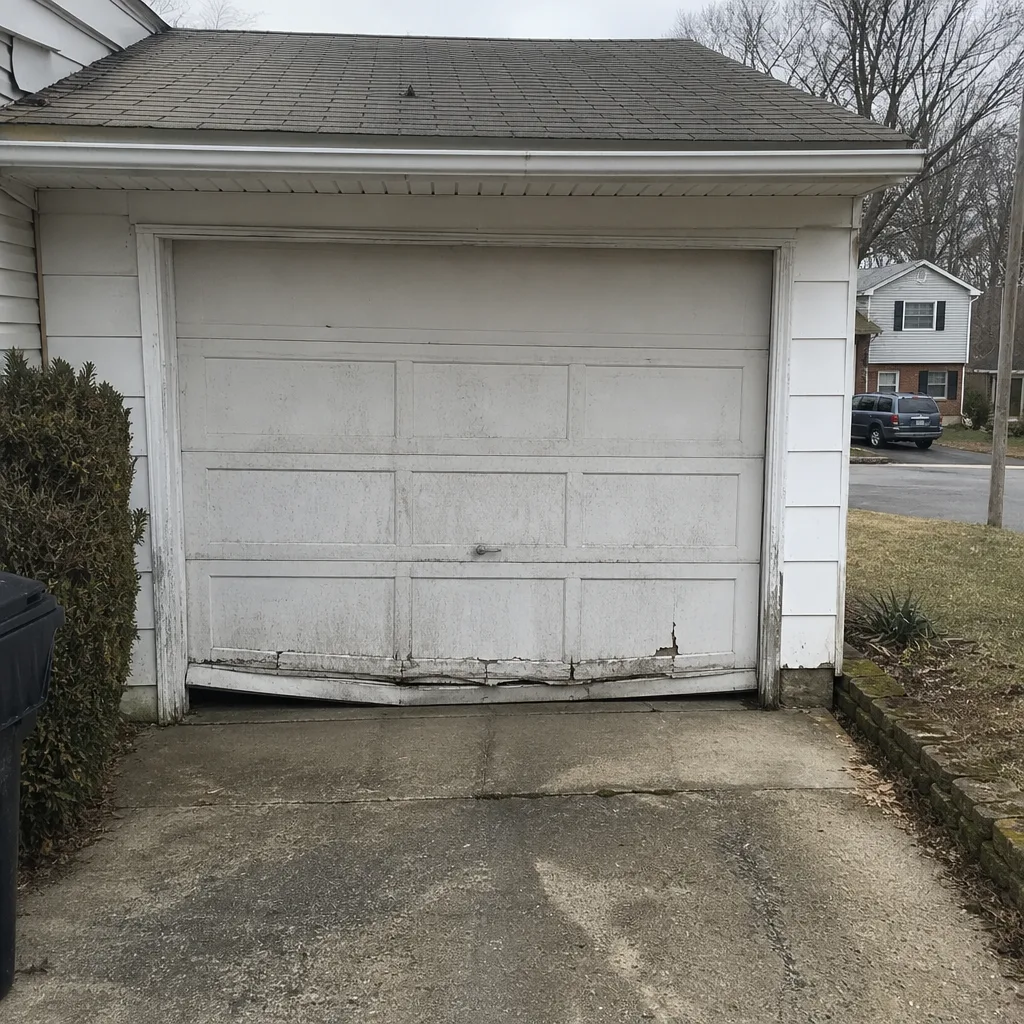 Before
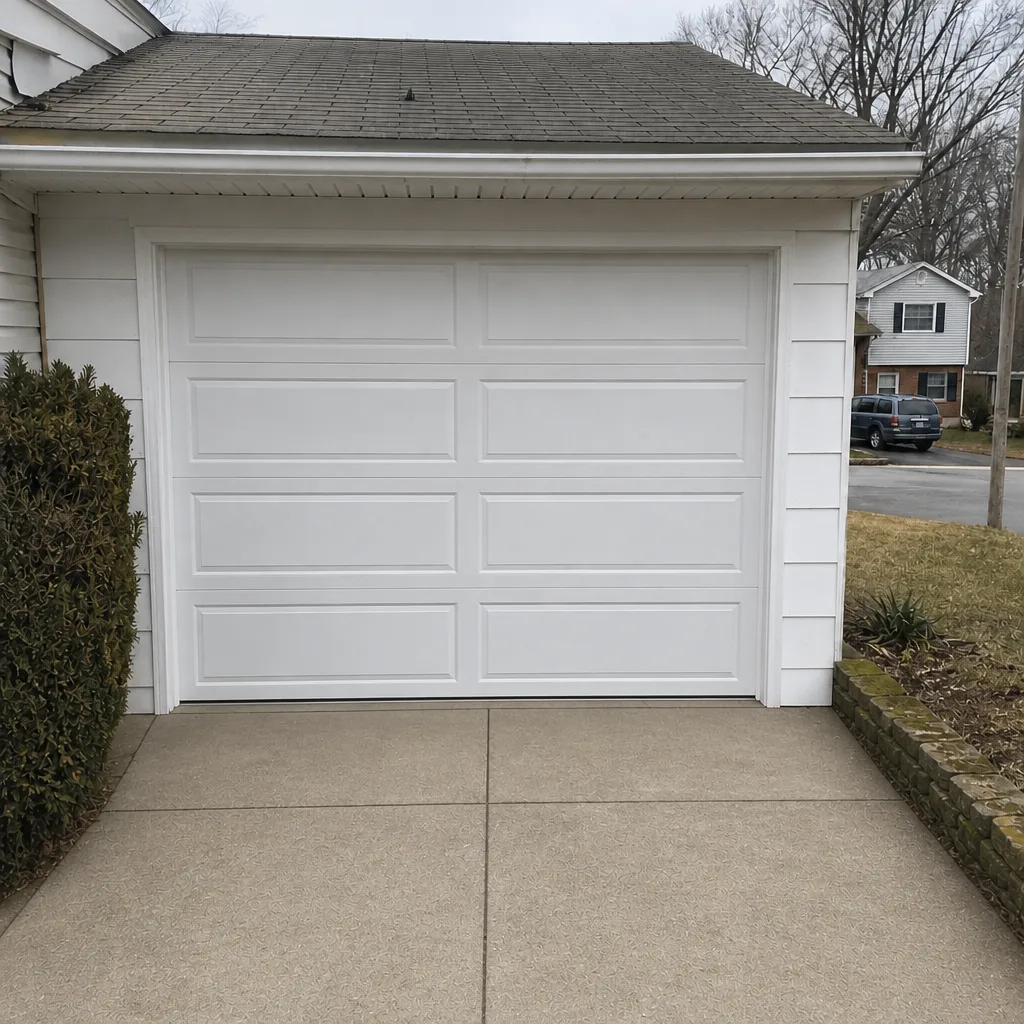 After
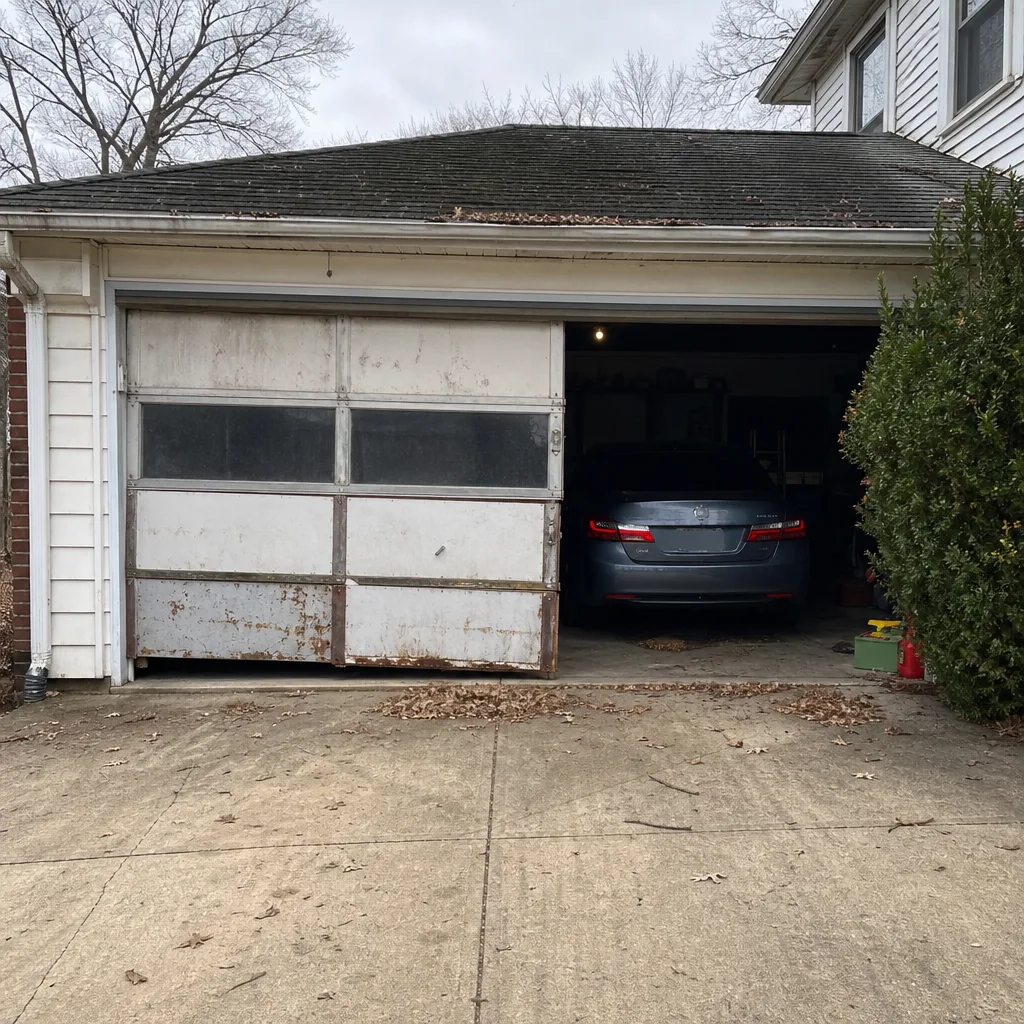 Before
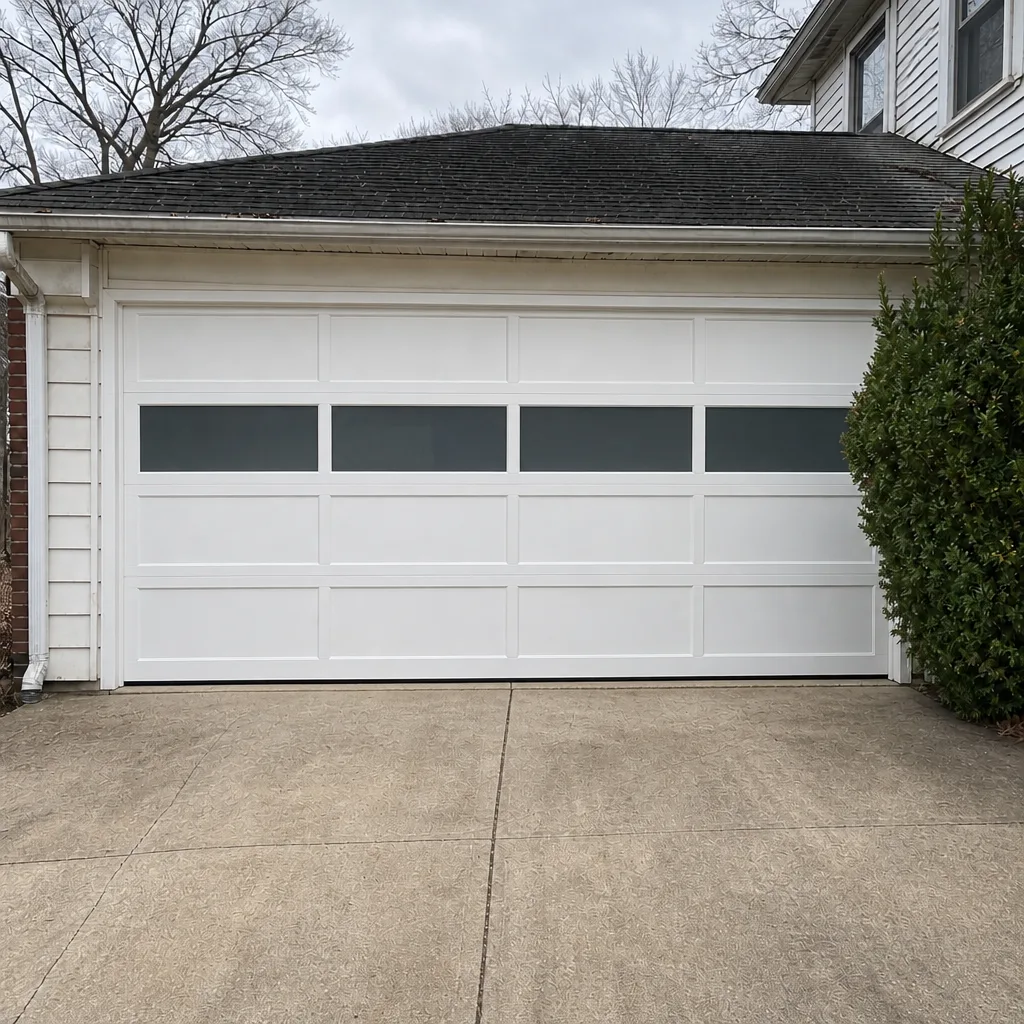 After
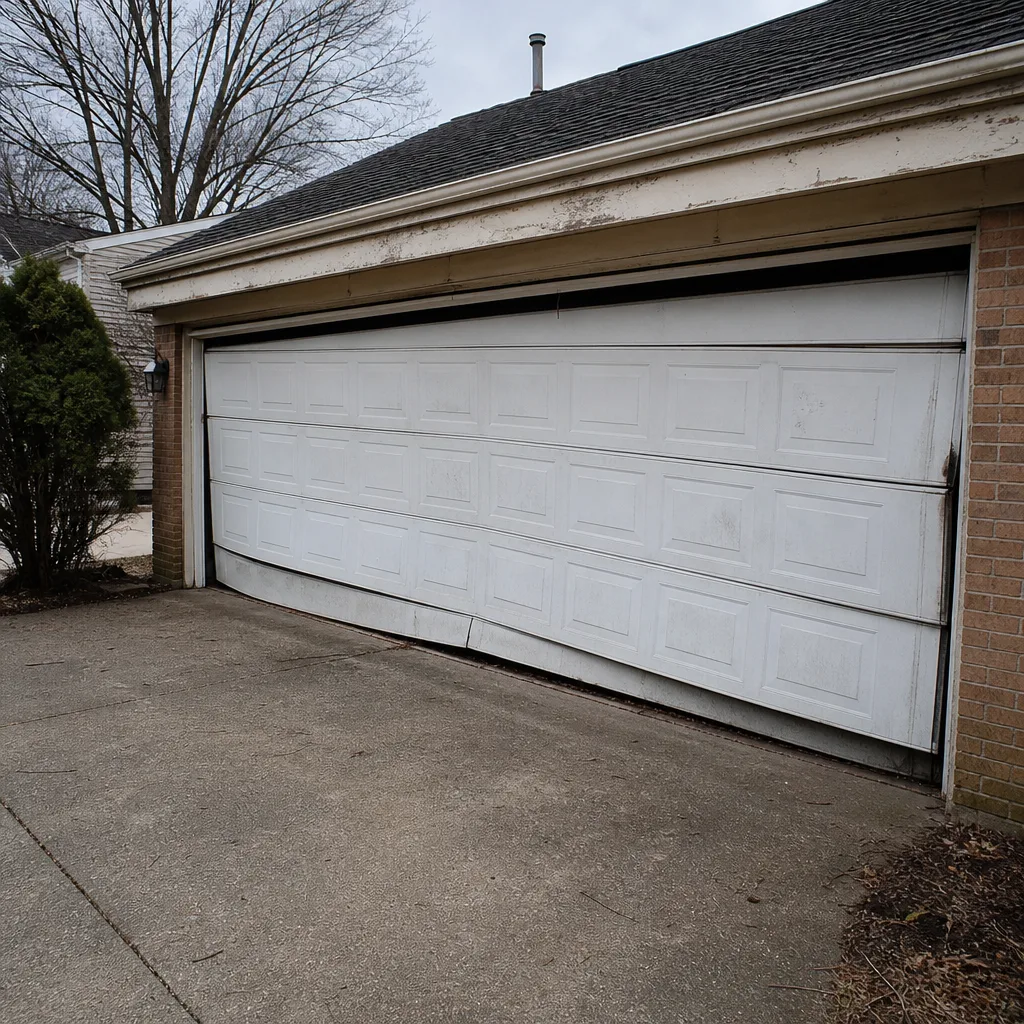 Before
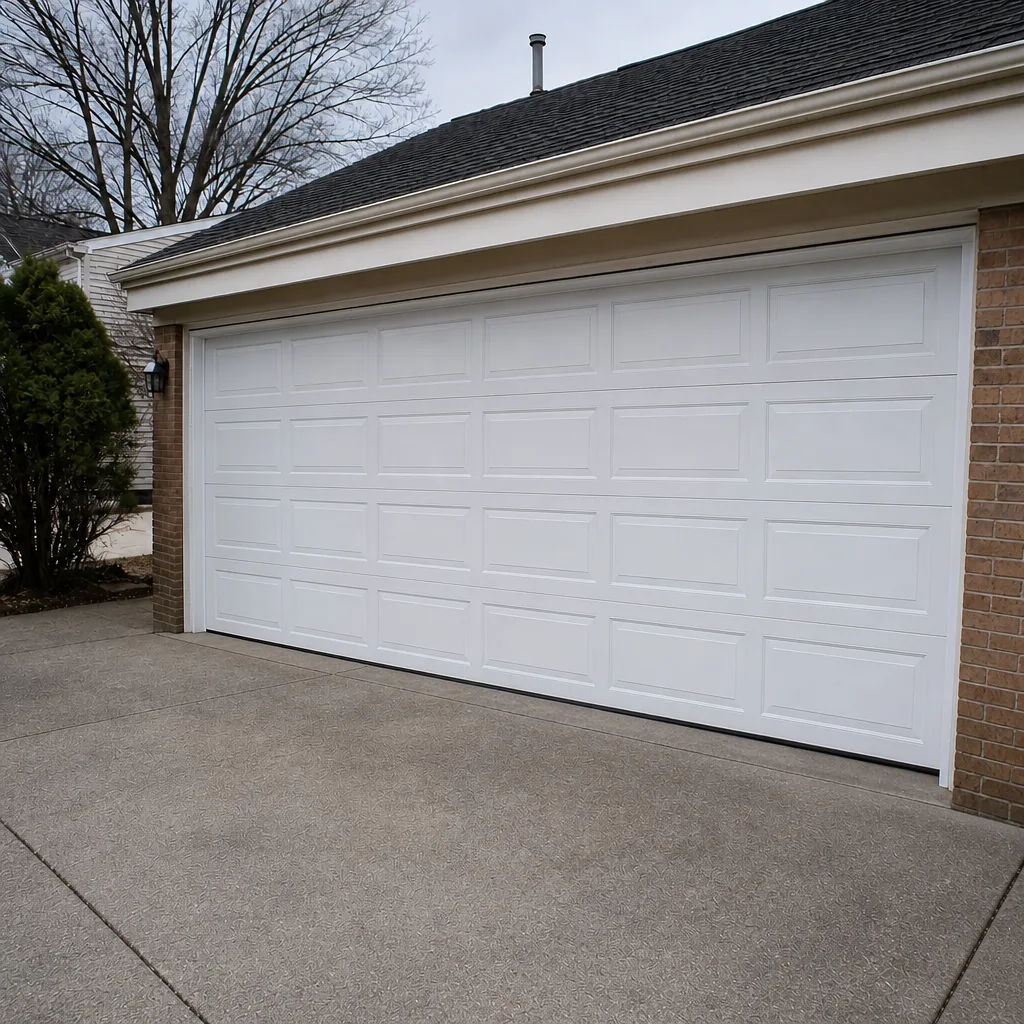 After
When to Call a Professional
Some garage door questions are for the county. Some are for a garage door specialist. You want a professional involved when a spring or cable fails, when the door comes off its track or won’t close fully, when the opener runs but the door doesn’t move, or when an attached-garage fire separation door needs its hardware evaluated. You also want a trained technician on any installation or replacement where the opening size, header, or fire rating is in question – that’s not a DIY job, and it’s not a general handyman job either. Springs and cables are under high tension and can cause serious injury if mishandled. If the door is stuck open, blocking a car, or won’t secure, that’s an emergency call. Laurel Garage Door Repair Pros offers free estimates in Laurel – call (855) 337-2016. We work on LiftMaster, Chamberlain, Genie, Clopay, Amarr, Wayne Dalton, Craftsman, and Raynor equipment, and we’ll tell you honestly when a question belongs with the county instead of with us.
Frequently Asked Questions
A like-for-like replacement usually doesn’t require a Prince George’s County building permit, but structural changes to the opening or header generally do. Opener work that adds new wiring or a new circuit typically requires an electrical permit. Call the county building department to confirm your specific job before work starts – it’s a short call and it protects you at resale. For the door work itself, call (855) 337-2016 for a free estimate.
A replacement opener on existing wiring usually doesn’t need a permit, but a new electrical circuit for an opener or garage lighting typically requires an electrical permit. The deciding factor is the wiring, not the opener. If you’re unsure which category your job falls into, ask the county, then call (855) 337-2016 for a quote on the opener work – estimates are free.
Maryland’s residential fire provisions require a fire separation between an attached garage and the living space, and in many Laurel homes the door itself is that separation. A non-rated door, missing self-closing hardware, or gaps around the door can compromise it. If your door was swapped during a remodel, have it evaluated. Call (855) 337-2016 to have the hardware and assembly checked – estimates are free.
The inspection itself is short; scheduling is what takes time. Permitted work is inspected in phases – structural, electrical rough-in, and final – and each phase needs to be scheduled once the work is ready. The county sets the actual timeline, and your permit defines which inspections apply. On a permitted project, confirm the inspection date in writing so the schedule doesn’t slip. Call (855) 337-2016 to talk through the door side of the scope.
An HOA can enforce what’s in its recorded CC&Rs and architectural guidelines, such as door color, material, and window configuration – but it can’t enforce verbal preferences or rules that conflict with county code or fire provisions. Request written architectural approval before ordering. If your door project is ready to move, call (855) 337-2016 for a free estimate.
It can. A buyer’s home inspector checks for permits and inspection records on structural work, and missing documentation often becomes a negotiation point or a credit at closing. A header change, an opening modification, or a replaced fire separation door with no permit on file are typical findings. Getting the permit at the time of the work is the simpler path. Call (855) 337-2016 for a free estimate on the door work.
The Bottom Line
Garage door permits in Laurel aren’t one question – they’re three: whether Prince George’s County requires a permit for the specific scope, whether the door meets Maryland’s fire separation requirements, and whether your HOA’s architectural rules apply and are documented. Like-for-like replacement usually avoids a building permit; structural changes and new electrical usually don’t. The fire separation door is the part most homeowners overlook, and it matters more at resale than the permit itself. Confirm with the county before work starts, get HOA approval in writing, schedule inspections as each phase is ready, and keep the signed records. When the door work needs a specialist, that’s us – we work on the brand you already have, from spring repair to full installation.
Whether you’re sorting out a permit question, dealing with a failed spring, or ready to replace a door that’s past its service life, we’re here to help. Call (855) 337-2016 for a free estimate and a written price agreed before any work starts. We’ll walk through your system, tell you what the job actually needs, and be straight with you about what belongs with the county.
Written by the team at Laurel Garage Door Repair Pros.